FLOWER SEEDS
<< Previous Page 2 of 4 Next >>

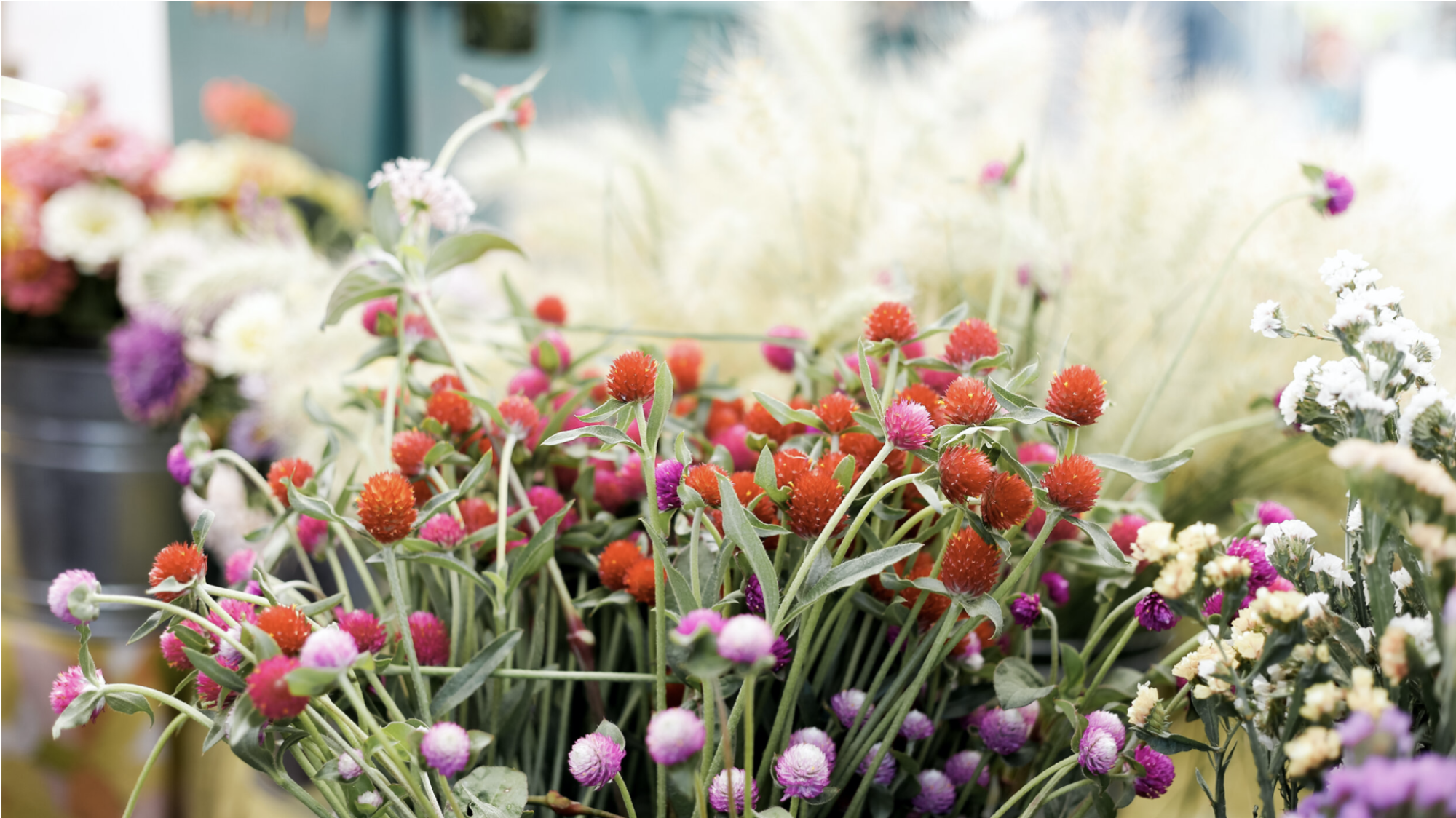
Gomphrena globosa
These unique rosy-pink blooms have a pompom appearance similar to a clover flower. Gomphrena is heat tolerant, making it ideal for late-summer blooming and flowering in warmer climates. This bright annual flower will add color when planted in mass within your garden beds. They can also be planted in containers, attracting a variety of pollinators. Gomphrena makes an excellent flower for fresh or dried arrangements with a long vase-life and excellent color retention.
Seed Count: approximately 50 seeds
Plant Height: 18-30”
Light Requir-ements: full sun
Soil Preference: well-draining soil
USDA Zones: 3-11 (annual)
How to Grow
Germination: 5-14 days at 70-80F
Seeding Depth: 1/8” depth
Plant Spacing: 6-9”
Days to Maturity: 85-110 days
Early-Season Seeding: Start seed indoors 4-6 weeks before the last frost date, transplant after the danger of frost has passed. Direct seeding outdoors is not recommended but can be done after the last frost date or when soil temperature is above 70F.
Late-Season Seeding: Start indoors and transplant outdoors at least 16 weeks before the first frost in fall.
Growing Tips: Plants do not require pinching to be multi-branched. Remove spent flowers before they go to seed to encourage more flowering.
Cut Flower: Harvest when flowers begin to have color but are not fully open and expect a vase-life of 10-14 days with flower food. For drying, harvest when flowers are fully open and hang upside down for about 3 weeks in a cool, dry place.
Warm Season

Lupinus polyphyllus
Heirloom lupine seeds come in a range of colors including cream, pink, purple, and blue. Masses of petals bloom on tall spikes begin to bloom in June and the blooms last for no more than 3 weeks. Stiff stems add height to gardens or floral arrangements. Flowers attract a variety of pollinators, and readily reseed.
Seed Count: approximately 25 seeds
Plant Height: 12-24”
Light Requirements: full sun, partial shade
Soil Preference: rich, moist, well-draining soil
USDA Zones: 3-9 (perennial)
How to Grow
Germination: 14-21 days at 65-75F
Seeding Depth: 1/4” depth, darkness aids germination, scarify and soak seeds
Plant Spacing: 12-14”
Days to Maturity: 365 days
Early-Season Seeding: Starting seeds indoors 4-8 weeks before planting out. Plant outdoors after the danger of frost has passed. Direct seed in early-spring as soon as soil can be worked.
Late-Season Seeding: Direct seed in early fall.
Growing Tips: The seed must be scarified (scratched) and then soaked for 24 hours to enhance germination. Do not wait to transplant as roots do not tolerate being transplanted. Plants can develop powdery mildew in late summer after blooming and can be trimmed back. Remove flowers after blooming to prevent re-seeding.
Cut Flower: Harvest when 80% of the florets on a stem are open. Allowing flowers to be open for too long and pollinated by bees will cause a shorter vase-life.
Photo by @shroom_momma

Trapaeolum minus
Choose between Empress of India or Alaska Mix. ‘Alaska mix’ produces yellow, orange, salmon, and red flowers that stand out on the lily pad shaped leaves. The foliage is enough to make this plant stand out with a splotchy striped look of green shades. This partial climbing plant can be guided up a trellis or left to mound in the garden. It works well with container plantings, attracting pollinators and repelling deer. This plant is not only beautiful in flower arrangements but is also edible. Peppery tasting leaves and mildly sweet flowers add zip and color to your salads.
Seed Count: approximately 15 seeds
Plant Height: 1-5’
Light Requirements: full sun, part shade
Soil Preference: rich, moist, well-draining soil, pH 6-8
USDA Zones: 2-8 (annual), 9-11 (perennial)
How to Grow
Germination: 7-14 days at 60-65F, gently rub seed with nail file to soften seed coat
Seeding Depth: 1/2-1” depth, require darkness for germination
Plant Spacing: 6-12”
Days to Maturity: 60-70
Early-Season Seeding: Start seed indoors 3-4 weeks before the last frost date, transplant after the danger of frost has passed. Direct seeding is recommended. Sow around the last frost date.
Late-Season Seeding: Start seeds indoors or direct seed outdoors at least 10 weeks before your first fall frost date.
Growing Tips: Planting in partial shade or adding high nitrogen levels will limit flower production. Plants don’t transplant well so if starting inside use containers that can degrade in the soil such as peat pots to prevent root disruption. Nasturtium are susceptible to aphids and can be used as a ‘trap plant’ in your vegetable garden.
Cut Flower: Nasturtiums are used for both their leaves and flowers in arrangements. Flowers will last the longest if you harvest them right when they begin to open. The foliage is ready to be harvested when leaves become firm to touch. The vase life is typically 7-10 days, but flower food can often extend that life.
Edible: Leaves can be harvested anytime but flowers should be harvested after they have fully opened.
Photo by @buttenshawbackyardfarm
Cool Season Crop-Not Affected by Frost-
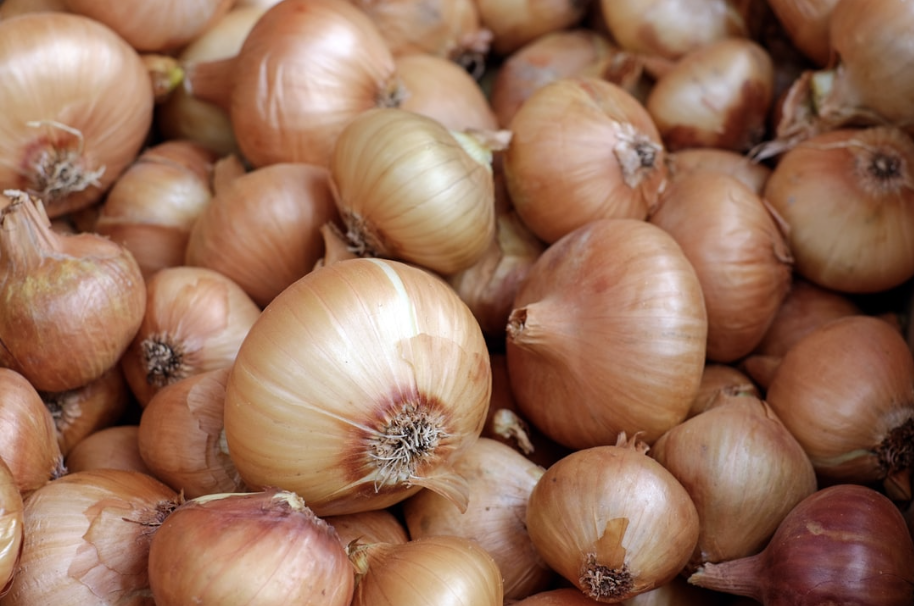
This yellow sweet onion is large in shape with crisp, firm flesh. You can eat this fresh, sautéed or even fried. You can also store these onions for several months in a cool dark place.
Maturity: 16 weeks
Light needed: Full sun
Germination: 12 days
Spacing: 3 apart
Depth: 1/8”
Approx seed per packet: 100 seeds
How to Grow:
Plant seeds indoors 8 weeks before the last danger of frost. Once the seedlings are ready, transplant them in soil 5”-6” apart. Be sure to water the frequently.

Viola x wittrockiana
Mix of bi-color blooms including orange, red, violet, golden-yellow. These pansies are cold tolerant blooming in early spring and late fall beyond frosts. Flowers are edible adding color to salads and desserts.
Seed Count: approximately 25 seeds
Plant Height: 6-8”
Light Requirements: full sun, part sun
Soil Preference: moist, well-draining soil
USDA Zones: 3-4 (annual), 5-9 (biennial)
How to Grow
Germination: 4-7 days at 60-70F
Seeding Depth: 1/8” depth, darkness is required for germination
Plant Spacing: 6”
Days to Maturity: 80-90 days
Early-Season Seeding: Start seeds indoors 8-12 weeks before the last spring frost date and transplant 2 weeks before the last spring frost. Direct seed after the danger of frost has passed.
Late-Season Seeding: Start seed indoors or direct seed outdoors at least 12 weeks before the first frost date. Direct seed outdoors in zones 5 and warmer in late-fall.
Growing Tips: Plants are cold tolerant and can be seeded or transplanted outdoors before the danger of spring frost has passed. Seeds are sown shallowly but require to be covered since darkness is needed for germination.
Cut Flower: Harvest when flowers are open and expect a vase-life of 5-7 days with flower food.
Photo by @junho355

HEIRLOOM
Sometimes called the “Cinderella Pumpkin” Musquee de Provence pumpkin is not only good for decoration but also great for eating. You’ll find this variety is used in lots of recipes as well as fall décor blogs.
Days To Maturity: 100-110 days
Fruit Weight: 20 pounds
Sun: Full Sun
Spread: 72”-96”
Height: 24”-30”
Sow Method: Direct Sow
Planting Time: Spring
Sow Time:After Last Frost
Thin: 6’
Life Cycle: Annual
Approx seed per packet: 10 seeds
How to Grow:
Plant the seeds after the danger of frost 1” deep 48”-72” apart. Once the seedlings grow to 2” thin to 2-3 plants. Make sure to keep the crop well watered and have the weeds under control.
Photo by @crooked_branch_farm

Warm Season Crop
HEIRLOOM
Days To Maturity: 95 days
Fruit Weight: 4-8 ounces
Sun: Full Sun
Spread: 48”
Height: 12”-18”
Sow Method: Direct Sow
Planting Time: Spring
Sow Time: After Last Frost
Thin: 48”
Life Cycle: Annual
Approx seeds per packet: 20 seeds
How to Grow:
Plant your seeds after the last danger of frost directly into your garden on a mound or hill. Plant them in groups of 4-6 seeds 3” apart, having each group be 48”-72” inches apart. Once the seedlings emerge thin to 2-3 per group. Make sure to keep the plants well watered and the weeds under control.
Warm Season Crop
HEIRLOOM
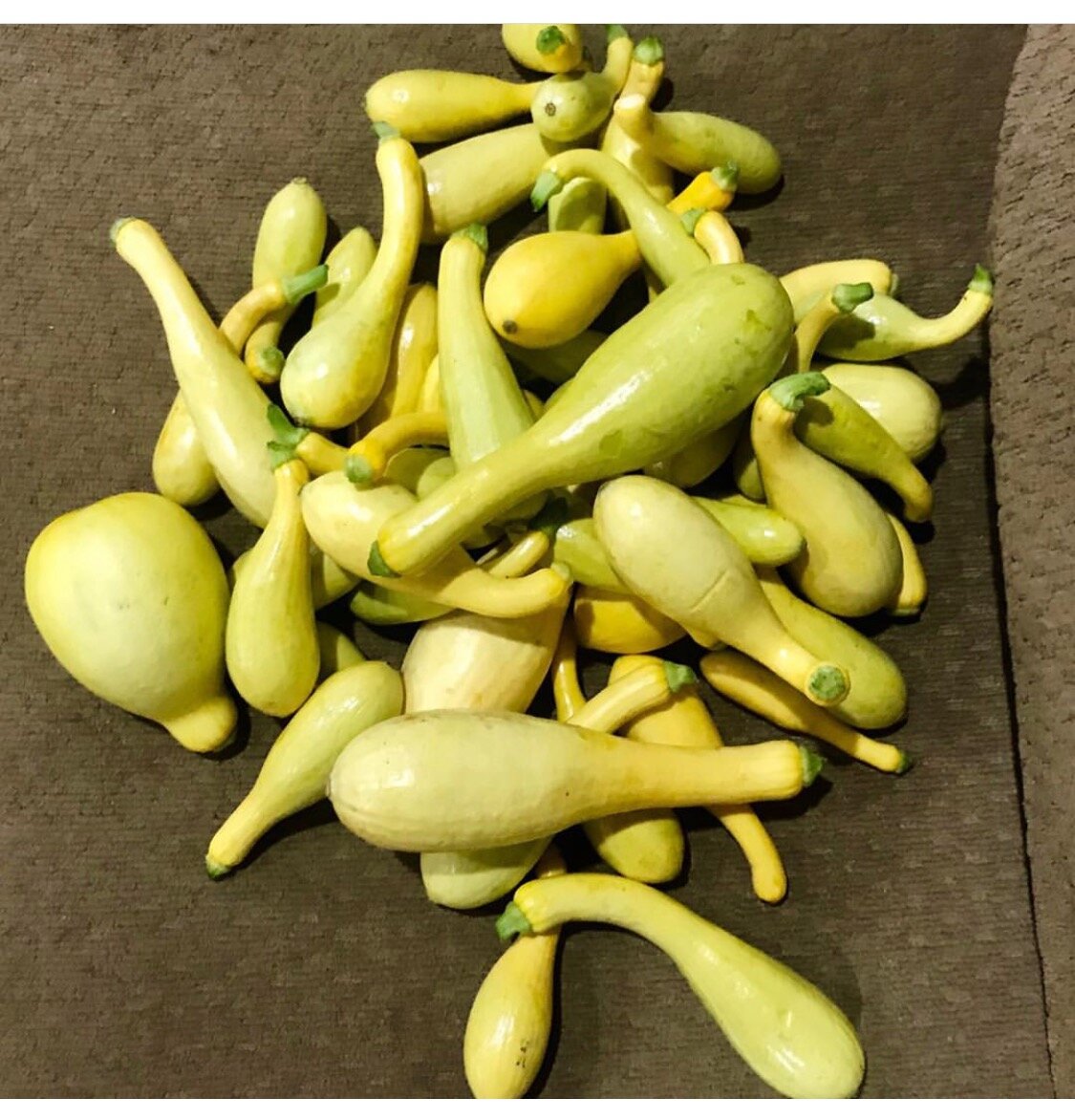
A yellow summer squash with a mild and slightly nutty flavor, it can be used interchangeably for zucchini or mixed with other summer squash to make a bright yellow appearance in otherwise boring dishes. Added bonus is its high vitamin A content.
Type: Summer squash
Days To Maturity: 50 days
Fruit Size: 8-6 inches
Sun: Full Sun
Spread: 24-36 inches
Height: 24-30 inches
Sow Method: Direct Sow
Planting Time: Spring, Summer
Sow Time: After Last Frost
Thin: 36 inches
Approx seed per packet: 100 seeds
How to Grow:
Plant your seeds in a sunny location and make sure they are around 36” apart with 1” of cover. Thin to one plant once the seedlings have a couple leaves. Make sure to continue to care for the crop by weeding and watering well.
photo by @the_stonehouse_farm

Heirloom
Easy to plant and grow. This green skinned and creamy white fleshed vegetables are perfect for soups, salads and more.
Days To Maturity 50 days
Fruit Size 6”-8”
Sun Full Sun
Spread 36”-48”
Height 18”-24”
Sow Method Direct Sow
Planting Time Spring, Summer
Sow Time After Last Frost
Thin 36”
Approx Seed per Packet: 25 Seeds
How to Grow:
Plant the seeds directly in a sunny location after the last danger of frost has passed. Plant them 36” apart and 1” deep. Once the seedlings emerge, thin the seedlings to one plant when they have two sets of leaves. Ensure they have moist soil and keep weeds under control.
Photo by @fritidsobo
HEIRLOOM
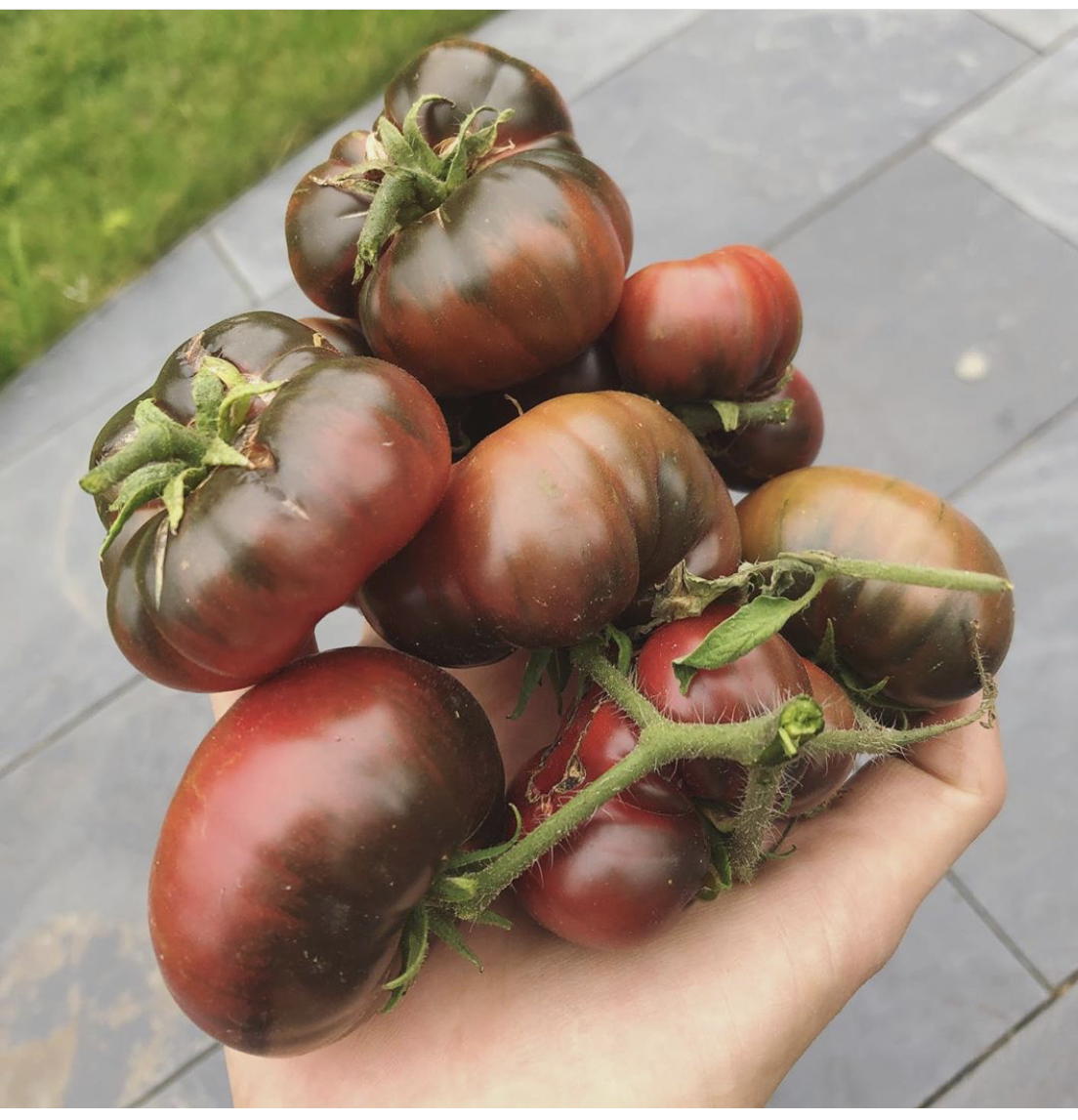
The cherokee purple tomato is rich and full of flavor. This large and purple tomato is perfect for sandwiches or salads
Days To Maturity: 85 days
Fruit Weight: 13 ounces
Sun: Full Sun
Spread: 18 inches
Height: 36”-40”
Sow Method: Indoor Sow
Sow Time: 6-8 weeks before last frost
Thin: 6”
Approx Seeds per Packet: 25 Seeds
How to Grow:
Plant the seeds indoors 6-8 weeks before the last danger of frost. As soon as the seedlings emerge, place them in a sunny location. Before planting, accustom the seedling plants outdoors for a week. Plant them in a sunny location with rich soil and 30”-48” apart. Ensure they have moist soil and keep weeds under control.
photo by @annelipsia
<< Previous Page 1 2 3 4 Next >>
Gomphrena globosa
These unique deep-magenta blooms have a pompom appearance similar to a clover flower. Gomphrena is heat tolerant, making it ideal for late-summer blooming and flowering in warmer climates. This bright annual flower will add color when planted in mass within your garden beds. They can also be planted in containers, attracting a variety of pollinators. Gomphrena makes an excellent flower for fresh or dried arrangements with a long vase-life and excellent color retention.
Seed Count: approximately 50 seeds
Plant Height: 18-30”
Light Requir-ements: full sun
Soil Preference: well-draining soil
USDA Zones: 3-11 (annual)
How to Grow
Germination: 5-14 days at 70-80F
Seeding Depth: 1/8” depth
Plant Spacing: 6-9”
Days to Maturity: 85-110 days
Early-Season Seeding: Start seed indoors 4-6 weeks before the last frost date, transplant after the danger of frost has passed. Direct seeding outdoors is not recommended but can be done after the last frost date or when soil temperature is above 70F.
Late-Season Seeding: Start indoors and transplant outdoors at least 16 weeks before the first frost in fall.
Growing Tips: Plants do not require pinching to be multi-branched. Remove spent flowers before they go to seed to encourage more flowering.
Cut Flower: Harvest when flowers begin to have color but are not fully open and expect a vase-life of 10-14 days with flower food. For drying, harvest when flowers are fully open and hang upside down for about 3 weeks in a cool, dry place.
Photo by @theperfectpick