Reseda odorata
Pretty green sprigs with white flowers reaching upward make these blooms distinct. They make a fantastic filler flower for arrangements of any kind. After flowering seed pods from looking much like lanterns. Flowers attract a variety of pollinators.
Seed Count: approximately 100 seeds
Plant Height: 12-18”
Light Requirements: full sun, partial shade
Soil Preference: rich, moist, well-draining soil, pH 7-8.5
USDA Zones: 3-11 (annual)
How to Grow
Germination: 7-14 days at 70F
Seeding Depth: 1/8” depth, light required for germination
Plant Spacing: 9-12”
Days to Maturity: 60-70 days
Early-Season Seeding: Starting seed indoors is not recommended but can be done 4-6 weeks before the last frost date, transplant after the danger of heavy frost has passed. Direct seed after the danger of frost has passed.
Late-Season Seeding: Start seeds indoors or direct seed outdoors at least 10 weeks before your first fall frost date.
Growing Tips: Plants can be grown in succession every 2-3 weeks to provide a longer period of cut flower production. Mignonette does not transplant easily so it is best to direct seed. Plants can be pinched back to result in a bushier plant growth habit.
Cut Flower: Harvest when the bottom ⅓ of the flowers on each stem are open or harvest when seed pods have matured. Expect a vase life of 5-7 days with the seed pod stage lasting longer than the flower stage.
Trapaeolum minus
Choose between Empress of India or Alaska Mix. ‘Alaska mix’ produces yellow, orange, salmon, and red flowers that stand out on the lily pad shaped leaves. The foliage is enough to make this plant stand out with a splotchy striped look of green shades. This partial climbing plant can be guided up a trellis or left to mound in the garden. It works well with container plantings, attracting pollinators and repelling deer. This plant is not only beautiful in flower arrangements but is also edible. Peppery tasting leaves and mildly sweet flowers add zip and color to your salads.
Seed Count: approximately 15 seeds
Plant Height: 1-5’
Light Requirements: full sun, part shade
Soil Preference: rich, moist, well-draining soil, pH 6-8
USDA Zones: 2-8 (annual), 9-11 (perennial)
How to Grow
Germination: 7-14 days at 60-65F, gently rub seed with nail file to soften seed coat
Seeding Depth: 1/2-1” depth, require darkness for germination
Plant Spacing: 6-12”
Days to Maturity: 60-70
Early-Season Seeding: Start seed indoors 3-4 weeks before the last frost date, transplant after the danger of frost has passed. Direct seeding is recommended. Sow around the last frost date.
Late-Season Seeding: Start seeds indoors or direct seed outdoors at least 10 weeks before your first fall frost date.
Growing Tips: Planting in partial shade or adding high nitrogen levels will limit flower production. Plants don’t transplant well so if starting inside use containers that can degrade in the soil such as peat pots to prevent root disruption. Nasturtium are susceptible to aphids and can be used as a ‘trap plant’ in your vegetable garden.
Cut Flower: Nasturtiums are used for both their leaves and flowers in arrangements. Flowers will last the longest if you harvest them right when they begin to open. The foliage is ready to be harvested when leaves become firm to touch. The vase life is typically 7-10 days, but flower food can often extend that life.
Edible: Leaves can be harvested anytime but flowers should be harvested after they have fully opened.
Photo by @buttenshawbackyardfarm
Ocimum basilicum citriodorum
The lemon basil with its lemony aroma makes it perfect for teas, chicken, fish, veggies and more. These qualities make it excellent for use as an herb or a cut flower.
Seed Count: approximately 100 seeds
Height: 2-3’
Light Requirements: full sun, afternoon shade in hot southern climates
Soil Preference: regular, well-drained soil, pH 5.5-6.5
USDA Zones: 3-11 (annual)
How to Grow
Germination: 5-10 days at 65-70F
Seeding Depth: 1/4” depth
Plant Spacing: 8-10”
Days to Maturity: 60-90 days
Early-Season Seeding: Direct seeding is recommended and can be done after the last frost date or when soil temperature is above 65F. Start seed indoors 4-6 weeks before the last frost date, transplant after the danger of frost has passed.
Late-Season Seeding: Start seed indoors or direct seed outdoors at least 12 weeks before the first frost date.
Growing Tips: Plants may bolt (flower) when temperatures increase in summer or the plant is water stressed. Once it flowers the flavor profile will change. Regular watering will prevent this stress and is essential for a healthy crop.
Herb: It is best to harvest a few leaves when the plant has 3-4 sets of leaves. Once the plant grows 5-7 sets of leaves you can harvest the top of the stem which will encourage bushier growth. Leaves can be used fresh or dried in a cool, dark place. Do not store leaves in your fridge, temperatures below 50F will blacken the leaves.
Cut Flower: Harvest when 1/3 of the buds on a stem have opened. Harvest in the morning or evening since stems can wilt during mid-day. Stems will last 7-10 days without preservative.
Photos by @petitegreensaruba and @fionalovestocook and @steporr and @local_flowers
Plant every 30 days during the warm months-heat loving
Warm Season
Low Maintenance Perennial
Allium Schoenoprasum
Chives are an easy to grow perennial herb with tall, grass like foliage and vibrant purple flowers. Chives can be harvested for their green leaves to add a mild onion flavor to dishes. This plant is beautiful and can also be used ornamentally in garden beds. Chives’ strong scent drives away many insect pests in the vegetable garden and attracts pollinators.
Seed Count: approximately 100 seeds
Plant Height: 12”
Light Requirements: full sun, partial shade
Soil Preference: rich, well draining soil, pH 6-7
USDA Zones: 3-9 (perennial)
How to Grow
Germination: 7-21 days at 65-70F
Seeding Depth: 1/8” depth
Plant Spacing: 8-12”
Days to Maturity: 60-70 days
Early-Season Seeding: Start seed indoors 8-10 weeks before the last frost and transplant after the danger of frost has passed. Direct seed outdoors after the danger of frost has passed.
Growing Tips: Regular harvesting will result in healthy plants and vigorous growth. Plants readily re-seed so flowers should be removed before setting seed to avoid unwanted spread. Plants will get large and can be divided every 3 years.
Edible: Harvest when leaves are at least 6-8” tall and leave 1-2” of foliage near the ground. Chives can be used fresh or frozen.
Coriandrum sativum
Cilantro is harvested for its leaves, flowers, and seeds (seeds are known as coriander). This herb adds a light flavor to salsa, marinades, and much more. ‘Santo’ is known for its slow bolting and does better in warm climates than other cilantro types. This plant grows quickly and is best used in succession to allow continual harvests.
Seed Count: approximately 25-50 seeds
Plant Height: 12-18”
Light Requirements: full sun
Soil Preference: rich, well draining soil, pH 6-7
USDA Zones: 3-9 (annual)
How to Grow
Germination: 7-21 days at 65-70F
Seeding Depth: 1/8” depth
Plant Spacing: 2-4”
Days to Maturity: 50-60 days (cilantro leaves), 90-110 days (coriander seeds)
Early-Season Seeding: Start seed indoors 3-5 weeks before the last frost and transplant after the danger of frost has passed. Direct seed outdoors is recommended and can be done after the danger of frost has passed.
Growing Tips: Sow in succession every 2-3 weeks to provide a continuous supply of cilantro. Do not thin seedlings if growing for leaf harvest since cilantro grows well when sown thickly. Cilantro may bolt (flower) when temperatures become warmer in mid summer and plants will stop producing leaves. Grow in partial shade in warmer zones to prevent bolting. After bolting, cut back foliage or allow to grow for flower and seed harvesting.
Edible: Harvest when plants are established, about 60 days after seeding. Harvest flowers when they are open and harvest seeds after they have dried on the plant.
Plant every 30 days in the Spring and Fall
Anethum graveolens
Prized for its heavy foliage dill is a slow-to-bolt, sweet and mild herb. Fern-like leaves are excellent added to fish, roasted vegetables, sauces, and much more. Plants left to flower make an excellent source of pollen and nectar for bees & butterflies, and the seed heads can be harvested to use in canning pickles in the fall.
Seed Count: approximately 75-100 seeds
Plant Height: 12-24”
Light Requirements: full sun, partial shade
Soil Preference: rich, well draining soil, pH 6-7
USDA Zones: 3-9 (annual)
How to Grow
Germination: 10-14 days at 60-75F
Seeding Depth: 1/8” depth, light required for germination
Plant Spacing: 4-6”
Days to Maturity: 35-45 days
Early-Season Seeding: Start seed indoors 3-5 weeks before the last frost and transplant after the danger of frost has passed. Direct seeding outdoors is recommended and can be done after the danger of frost has passed.
Late-Season Seeding: Start seed indoors or direct seeding outdoors at least 10 weeks before the first frost date in fall.
Growing Tips: Sow in succession every 2-3 weeks to provide a continuous supply. Dill may bolt (flower) when temperatures become warmer in mid summer and plants will stop producing leaves. Grow in partial shade in warmer zones to prevent bolting.
Edible: Harvest when plants are established, about 45 days after seeding. Consistent harvesting of the outer leaves will result in a bushier plant. Harvest leaves until plants flower at which point they lose flavor.
Photo by @joannemlothrop and @glennick10
Plant every 30 days during the warm months-heat loving
Low Maintenance Perennial
Foeniculum vulgare
This decorative fennel has beautiful lacy bronze leaves. Useful as an ornamental as well as a culinary sweet fennel and medicinal herb. This particular type of fennel is slow to bolt and is a non bulbing type.
Plant Height: 30-36”
Light Requirements: full sun, partial shade
Soil Preference: rich, well draining soil
USDA Zones: 2-5 (biennial), 6-10 (perennial)
How to Grow
Germination: 7-14 days at 65-70F
Seeding Depth: ¼-½” depth, darkness required for germination
Plant Spacing: 6-12”
Days to Maturity: 50-60 days
Early-Season Seeding: Start seed indoors 3-5 weeks before the last frost and transplant after the danger of frost has passed. Direct seeding outdoors is recommended and can be done after the danger of frost has passed.
Late-Season Seeding: Start seed indoors or direct seeding outdoors at least 10 weeks before the first frost date in fall.
Growing Tips: Fennel may bolt (flower) when temperatures become warmer in mid summer and plants will stop producing leaves. Grow in partial shade in warmer Southern zones to prevent bolting.
Edible: Harvest leaves and stems before flowering occurs. Harvest root in the fall of the first year of growth. If seed harvest is desired, do not overwater during flowering and harvest seeds when they turn green gray in color. Seed production may not occur until the second year of growth.
Medicinal: Fennel is used as a carminative to relieve flatulence and colic while stimulating digestion. It is also anti-spasmodic, anti-inflammatory, and is similar to anise in calming bronchial coughs. It has estrogenic activity and stimulates milk flow in nursing mothers.
Photo by @sarflondongarden
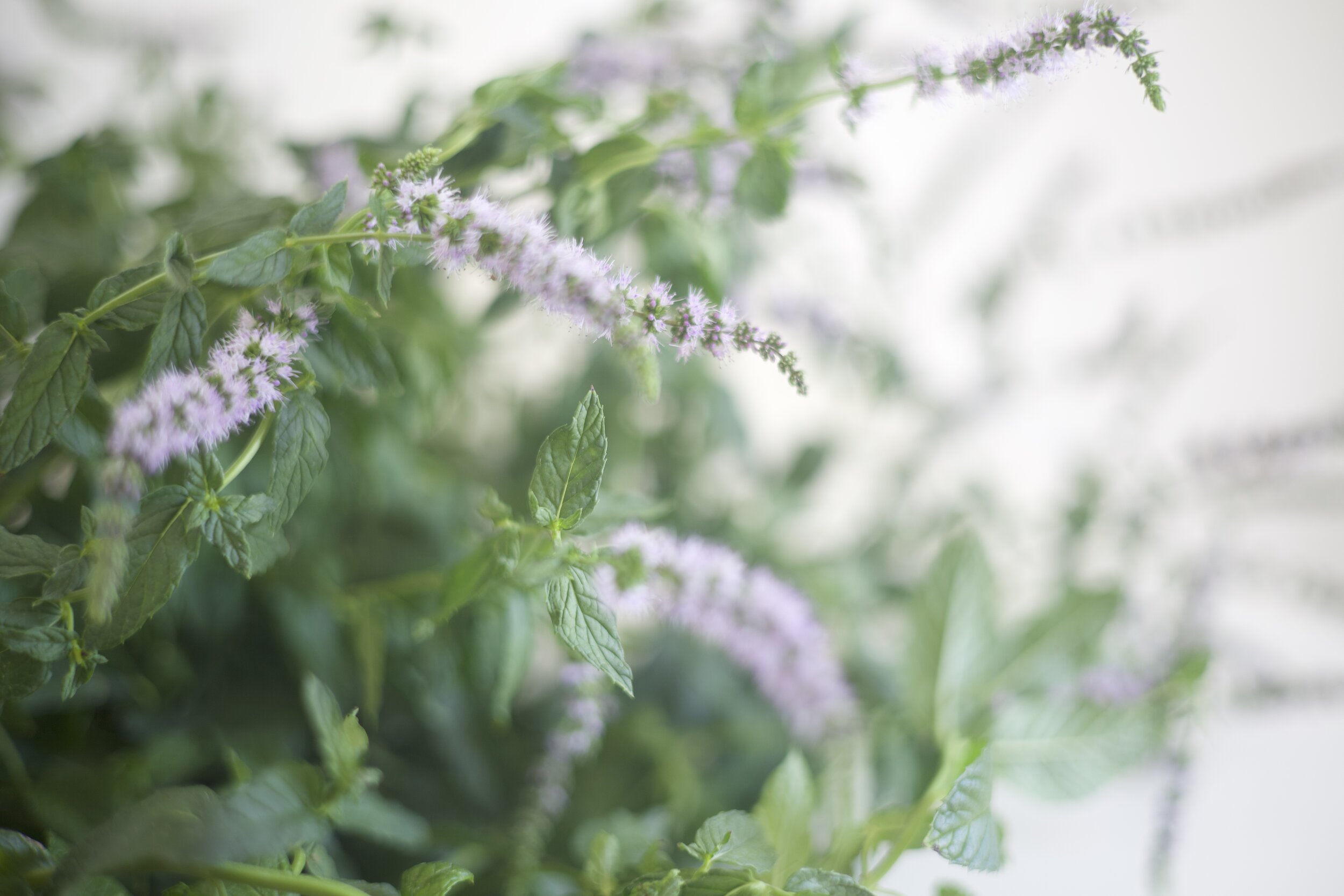
Grow Mint if you have an ant problem
Low Maintenance Perennial
Mentha spp.
Mint is an edible herb with a sweet fragrance with bright green leaves and white flowers blooming in late summer. It can be planted in containers or gardens for edible or ornamental purposes. Leaves and stems are best used fresh for drink and food garnishes.
Seed Count: approximately 100 seeds
Plant Height: 12-24”
Light Requirements: full sun, part shade
Soil Preference: rich, moist, well-draining soil, pH 6-7.5
USDA Zones: 4-9 (perennial)
How to Grow
Germination: 10-14 days at 70-75F
Seeding Depth: 1/4” depth, light required for germination
Plant Spacing: 12-18”
Days to Maturity: 70-80 days
Early-Season Seeding: Start seed indoors 8-10 weeks before the last frost date, transplant after the danger of heavy frost has passed. Direct seeding is recommended and can be done in early spring.
Late-Season Seeding: Start seeds indoors or direct seed outdoors at least 10 weeks before your first fall frost date. Direct seed in early fall and provide mulch if temperatures drop below 0F.
Growing Tips: Transplants should be hardened off before transplanting but can tolerate light frosts. It is recommended to grow this in a container due to its invasive nature in the garden. Pinch top of stems when harvesting to promote bushier plant growth.
Cut Flower: Mint can be used as greenery in floral arrangements adding a sweet, minty scent. The vase life is typically 5-7 days.
Edible: Leaves can be harvested as soon as the plant is established and stems with leaves can be harvested when anytime but flowers should be harvested after they have fully opened. It is best to use leaves and stems fresh rather than dried.
Photo by @silviaxo_cooking
Seed Count: 50
Melissa Officinalis
Lemon balm is an edible herb with a sweet citrus scent. Bright green leaves and white flowers blooming in late summer. This is a great alternative for mint that won’t be as invasive in your garden. It can be planted in containers or gardens for edible or ornamental purposes. Leaves and stems are best used fresh for drink and food garnishes.
Seed Count: approximately 50-75 seeds
Plant Height: 12-24”
Light Requirements: full sun, part shade
Soil Preference: rich, moist, well-draining soil, pH 6-7.5
USDA Zones: 4-9 (perennial)
How to Grow
Germination: 7-14 days at 65-70F
Seeding Depth: 1/2-1” depth, light required for germination
Plant Spacing: 6-12”
Days to Maturity: 60-70 days
Early-Season Seeding: Start seed indoors 6-8 weeks before the last frost date, transplant after the danger of frost has passed. Direct seeding is recommended and can be done in early spring.
Late-Season Seeding: Start seeds indoors or direct seed outdoors at least 10 weeks before your first fall frost date. Direct seed in early fall and provide mulch if temperatures drop below 0F.
Growing Tips: High rates of fertilizer can limit the strength of the scent.
Cut Flower: Lemon balm can be used as greenery in floral arrangements adding a citrus scent. The vase life is typically 5-7 days.
Edible: Leaves can be harvested as soon as the plant is established and stems with leaves can be harvested when anytime but flowers should be harvested after they have fully opened. It is best to use leaves and stems fresh rather than dried.
photo @brendafredericksdesigns
Low Maintenance Perennial
Origanum vulgare
A staple of any kitchen garden, people have been using oregano for thousands of years to flavor foods and treat illnesses with its naturally antibiotic qualities. Fresh oregano or dried adds a wonderful to recipes and gives beautiful edible florets in the summer. Is extremely cold hardy.
Seed Count: approximately 100 seeds
Plant Height: 12-24”
Light Requirements: full sun
Soil Preference: rich, moist, well-draining soil, pH 6-7.5
USDA Zones: 4-9 (perennial)
How to Grow
Germination: 7-14 days at 65-70F
Seeding Depth: 1/4” depth, light required for germination
Plant Spacing: 10-12”
Days to Maturity: 60-80 days
Early-Season Seeding: Start seed indoors 8-10 weeks before the last frost date, transplant after the danger of heavy frost has passed. Direct seed after the danger of frost has passed.
Late-Season Seeding: Start seeds indoors or direct seed outdoors at least 12 weeks before your first fall frost date.
Growing Tips: Pinch top of stems when harvesting to promote bushier plant growth. Cut woody growth back to 2” above the soil at the end of winter.
Edible: Stems can be harvested, leaving 2” at the base as soon as the plant is established. Once flowering has occurred, flavor will decline. Flowers can be harvested and are edible but don’t have flavor.
Cut Flower: Harvest when stems are woody and 1/3 of the flowers on the stem are open.
Photo by @projecto_verdejar
Biennial-Lives for two growing seasons
Petroselinum crispum
Parsley is an edible herb with bright green leaves, adding a bright, fresh flavor to soups and more. Leaves are best used as a garnish or ingredient in dishes and can be dried for later use.
Seed Count: approximately 100 seeds
Plant Height: 12-18”
Light Requirements: full sun
Soil Preference: rich, moist, well-draining soil, pH 6-7.5
USDA Zones: 4-9 (annual)
How to Grow
Germination: 14-30 days at 65-70F
Seeding Depth: 1/4-1/2” depth, light required for germination
Plant Spacing: 10-12”
Days to Maturity: 6600-80 days
Early-Season Seeding: Start seed indoors 8-10 weeks before the last frost date, transplant after the danger of heavy frost has passed. Direct seed after the danger of frost has passed.
Late-Season Seeding: Start seeds indoors or direct seed outdoors at least 12 weeks before your first fall frost date.
Growing Tips: Pinch top of stems when harvesting to promote bushier plant growth.
Edible: Stems can be harvested as soon as the plant is established. Harvest from the outside towards the center to continue growth. Once flowering has occurred, flavor will decline.
Senecio cineraria
This mounded plant with velvety silver fern-like leaves is a beautiful addition to the garden or floral arrangements. It’s compact size is perfect for border and container plantings.
Plant Height: 8-12”
Light Requirements: full sun, partial shade
Soil Preference: average, well draining soil
USDA Zones: 3-7 (annual), 8-10 (tender perennial)
How to Grow
Germination: 7-14 days at 70-75F, light required for germination
Seeding Depth: 1/8” depth
Plant Spacing: 8-12”
Days to Maturity: 60-90 days
Early-Season Seeding: Starting seed indoors is recommended and should be done 10 weeks before the last frost and transplant after the danger of frost has passed. Direct seeding is not recommended but can be done outdoors after the danger of frost has passed.
Late-Season Seeding: Start seed indoors or direct seeding outdoors at least 10 weeks before the first frost date in fall.
Growing Tips: Watering from below will prevent seed disturbance. Remove flowers to encourage growth of foliage. Do not water plants from above since water can lead to disease. Mulching around plants will help them overwinter in warmer regions. Foliage can be harvested all year long and the more you harvest the leaves, the more they will grow.
Cut Flower: Harvest when plants are established, about 90 days after seeding. Harvest during the cooler part of the day in the morning or afternoon and place stems into water right away for 3 hours before arranging. Vase-life is 7-10 days.
Photo by @seths_succiejungle