Planting a Cottage Garden
You might think planting flowers from seed is just not realistic. I thought the same thing BUT my little cottage garden this year has taught me otherwise.
Sara Haller here, co-founder of Halden Garden. I wanted to show you how to plant your own cottage garden, like this one I did last year. You might think planting flowers from seed is just not realistic. I thought the same thing BUT this little cottage garden taught me otherwise.
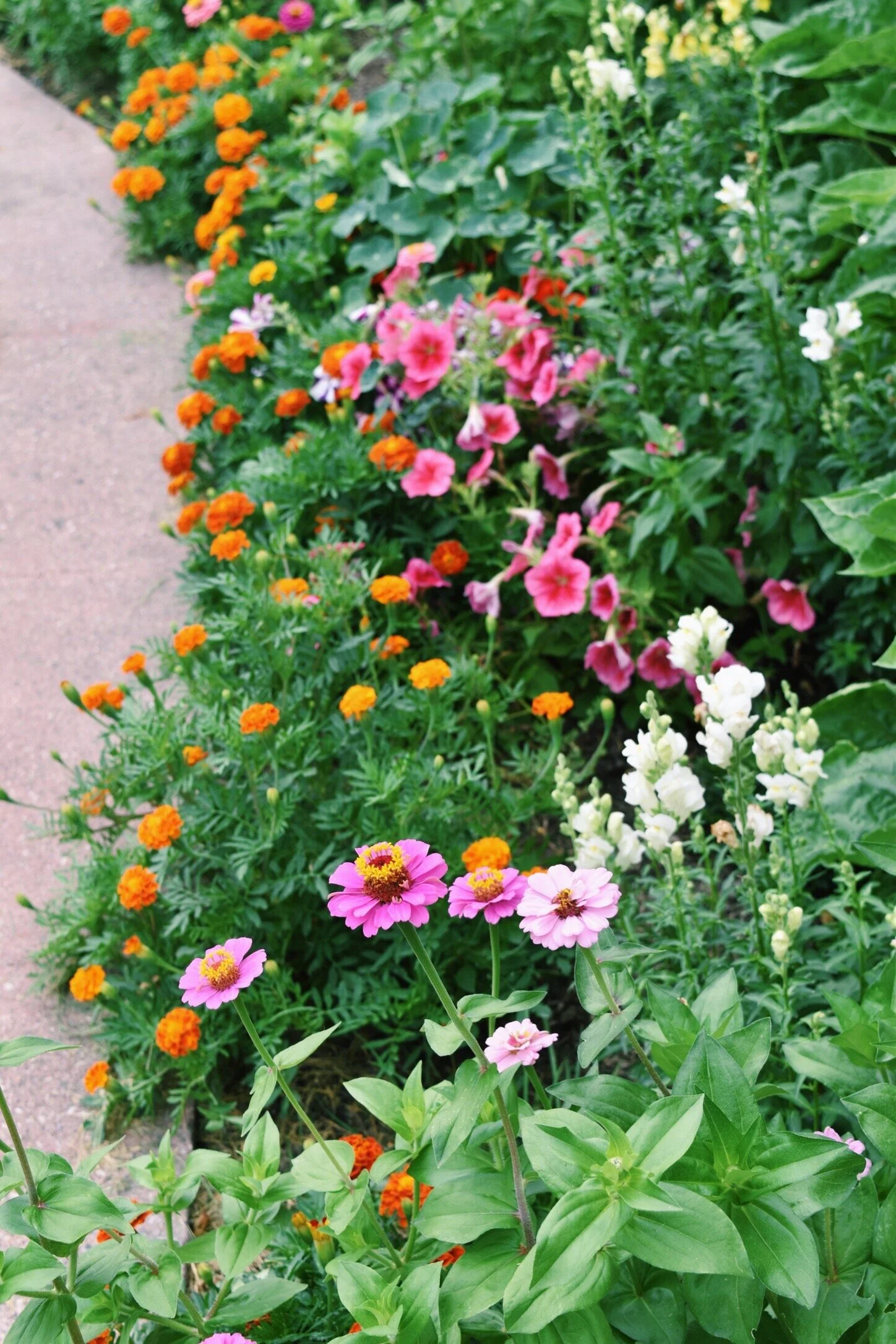


A cottage garden is more unplanned than a traditional garden. That’s why direct sowing one from seed is ideal.
After the last frost date, I just scattered seed based on height, placing taller flowers in the back and shorter varieties in the front.

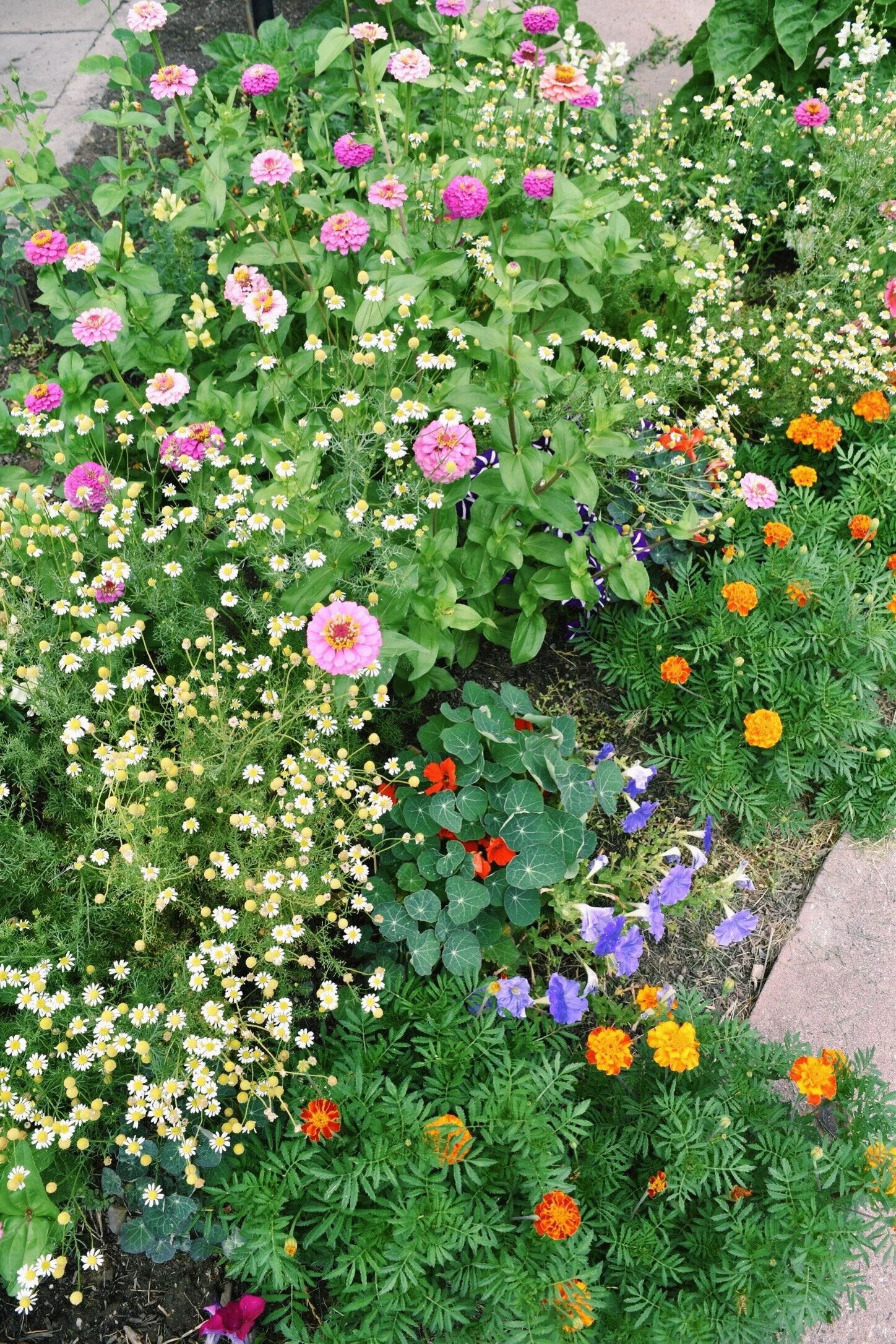

The key to planting flower seed is to water right and have patience. If seeds dry out even once they will not germinate.
Newly planted seeds need water every day for a short amount of time. As their roots become deeper they need longer watering less frequently. You kinda have to build up based on their size. That will be about twice a day at the start and then once a day, every other day, and finally once a week.
And before you know it you’ll have big beautiful flowers in your garden for very little cost.
Other tidbits to know: Snails LOVE marigolds especially so you’ve really got to watch them when they’re seedlings. Put out snail bait when you plant and then every one to two weeks as needed.


If you have a new garden plot that has a lot of sun and hasn’t ever had flowers in it you should plant petunias. Mine kind of got crowded out but the pink ones in the picture above are petunias. In new ground they THRIVE and grow big and beautiful the whole growing season. These petunias I started from seed indoors in March so they’d be ready to put out just after last frost.
Another fun thing about a cottage garden is in addition to adding beauty to your landscape these beauties all do well as cut flowers so you can bring them inside for flower arrangements. The more you cut, the more flowers will continue to bloom.


If you’re sad you missed the spring planting, it’s not too late. All of these flowers mature in 75 days or less so even in June or July you could start and have blooms in September and October depending on your zone. Check your last frost date and count back from there.
Here are the links to the “recipe”/seeds I used in my Cottage Garden if that helps: Calendula, Marigolds, German Chamomile, Sunflowers, Snapdragons
I hope this helps! Put any questions you have in the comments!




Celosia spicata
Beautiful rosy-pink florets that fade to silver-pink after setting seed. Bright green stems and floral spike adds a unique texture to your garden or floral arrangements. Celosia thrives in warm temperatures to provide color summer through early-fall attracting a variety of pollinators.
Seed Count: approximately 100 seeds
Plant Height: 30-40”
Light Requirements: full sun
Soil Preference: well draining soil, keep soil evenly moist, pH 6.5-7.5
USDA Zones: 3-9 (annual), 10-11 (perennial)
How to Grow
Germination: 7-10 days at 68-80F
Seeding Depth: 1/8” depth, lightly cover seed with soil, light required for germination
Plant Spacing: 12-18”
Days to Maturity: 80-120 days
Early-Season Seeding: Start seed indoors 4-6 weeks before the last frost date, transplant after the danger of frost has passed. Direct seed outdoors 2 weeks after the last frost date or when soil temperature is above 65F.
Late-Season Seeding: Start seed indoors or direct seed outdoors at least 16 weeks before the last frost date.
Growing Tips: Pinching out the growing point when the plant is 6-10” tall will promote branching but is not necessary for this variety. Trellis may be required for support. Provide consistent watering to avoid premature flowering. Remove stems that have gone to seed to promote more blooms.
Cut Flower: Pinching plants will result in thinner stems which are more optimal for floral arranging. Harvest before the flower starts setting seed. Vase life up to 14 days with flower food. Can be dried after harvest by removing all of the foliage and hanging upside down in a dark, dry place for up to 3 weeks.
Warm Season