
PEONIES
Peonies are grown from a root that is best planted in the fall or spring. The first two years your root will send up only leafy foliage as it works to establish. Once your shrub is established, it will send up the most heavenly blooms, mid to late spring year after year. There’s a reason these incredibly fragrant flowers are known as “The Queen of Spring” and are truly a can’t miss for any home gardener. Will tolerate some shade. Grown in zones 2-11. Plant in well drained soil.
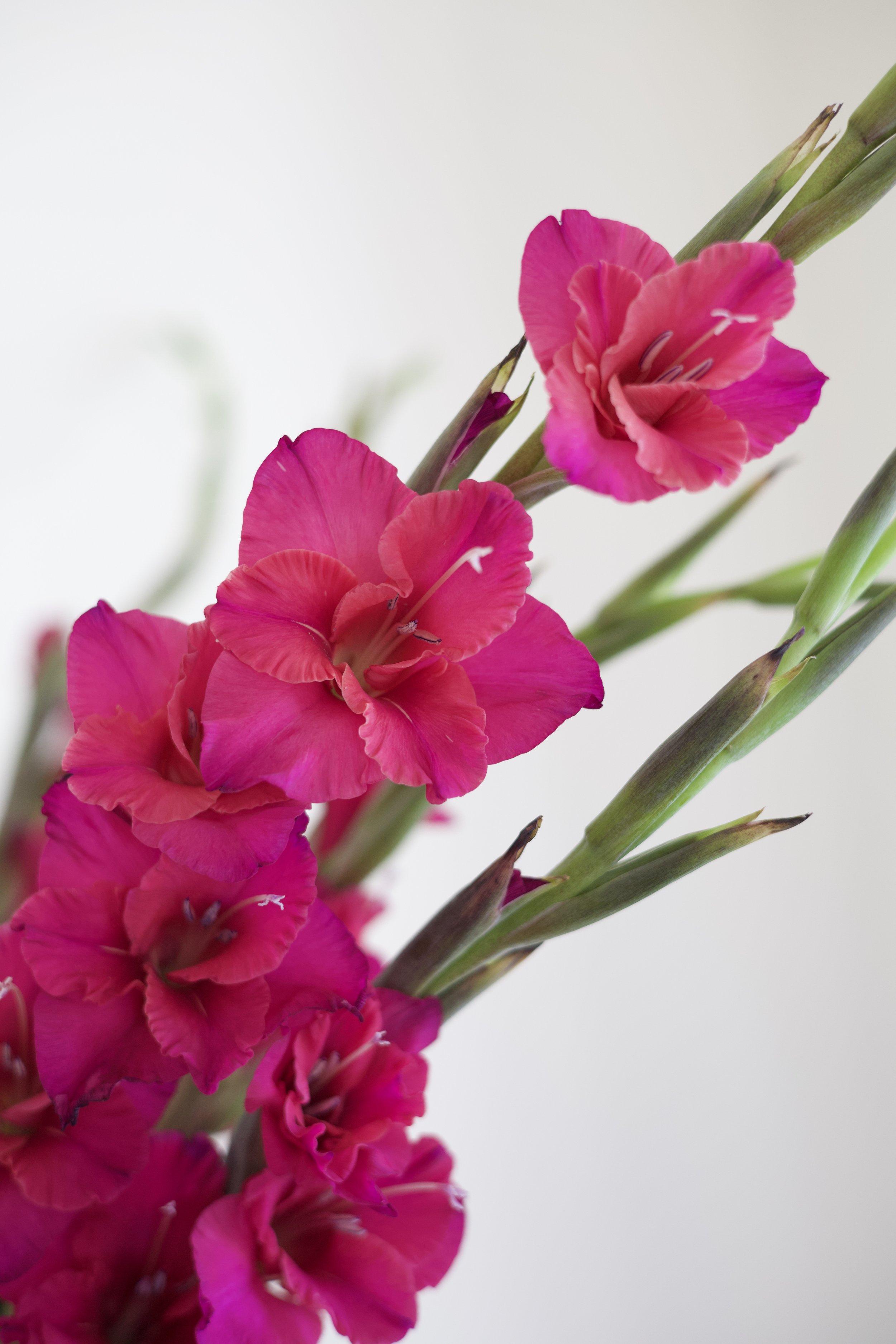
10 Bulbs per Order
Light Conditions: Sun
Days to Bloom: 75 - 80
Height: 50" – 60"
Hardiness Zone: 8 - 10
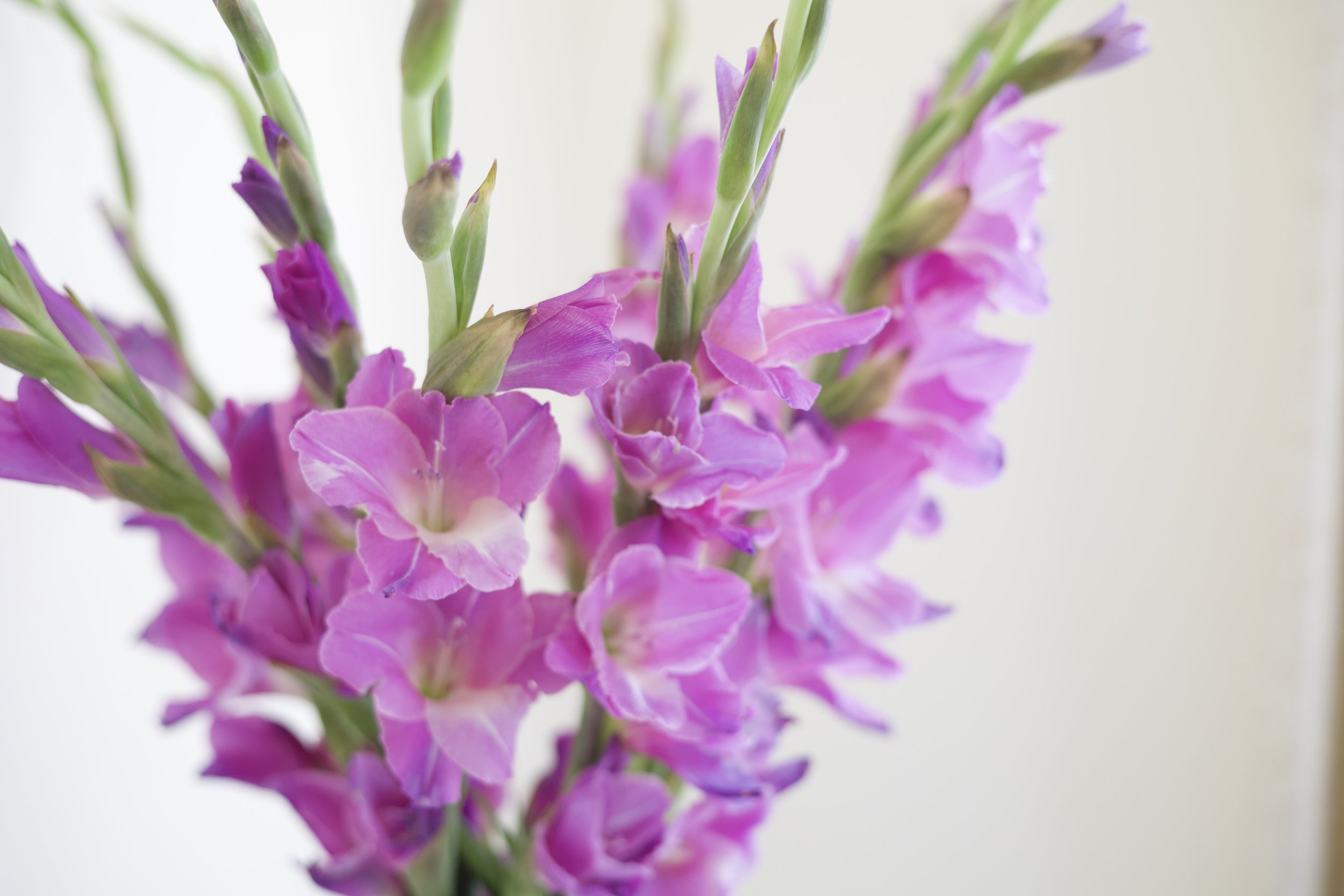
10 Bulbs per Order
Light Conditions: Sun
Days to Bloom: 75 - 80
Height: 50" – 60"
Hardiness Zone: 8 - 10
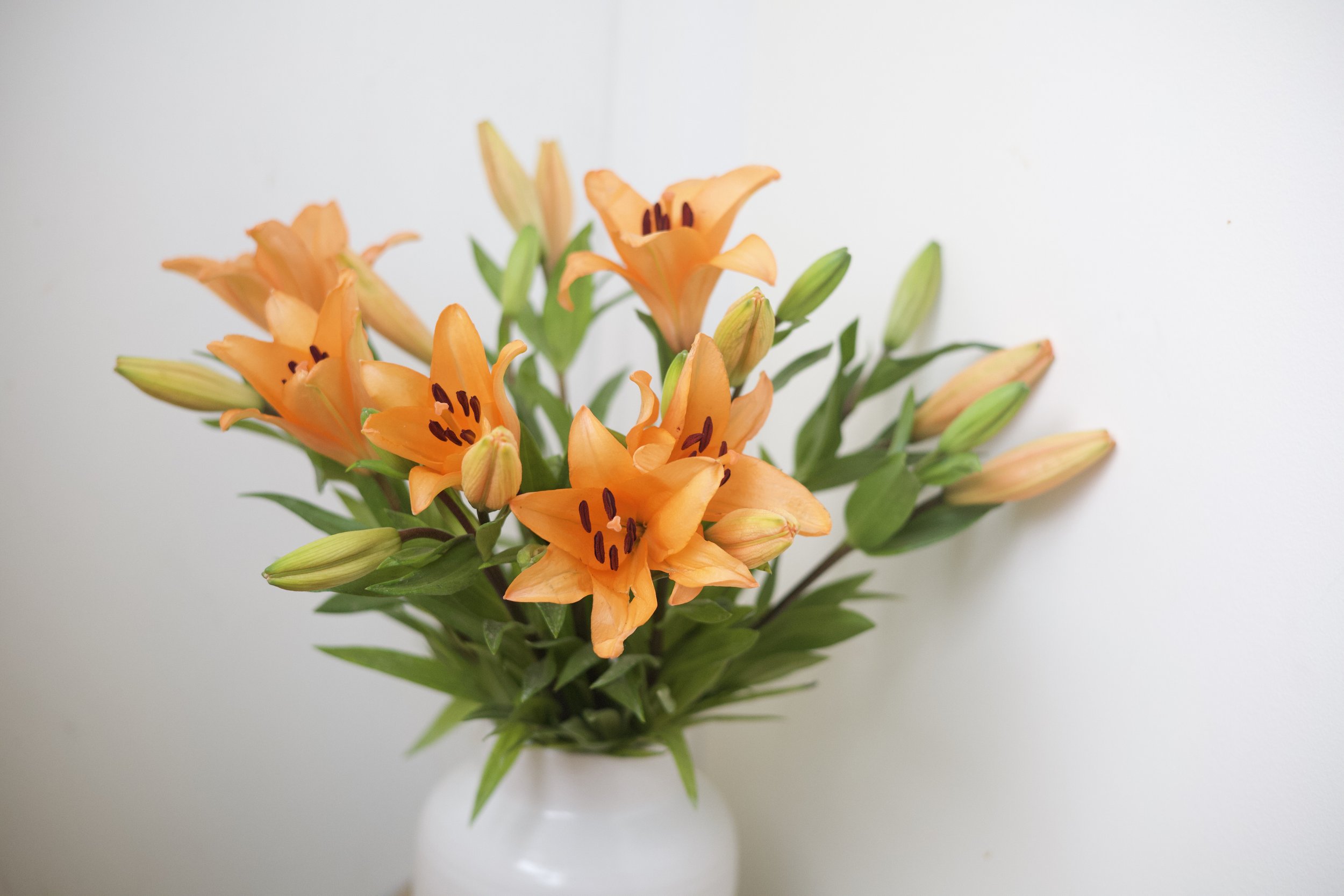
5 Bulbs per Order
How To Grow:
1. Prepare the soil by adding compost or manure.
2. Place the bulb in a hole that is 3 times deeper than the size of the bulb.
3. Water thoroughly and regularly allowing the soil to dry between watering.
4. Keep weed-free.
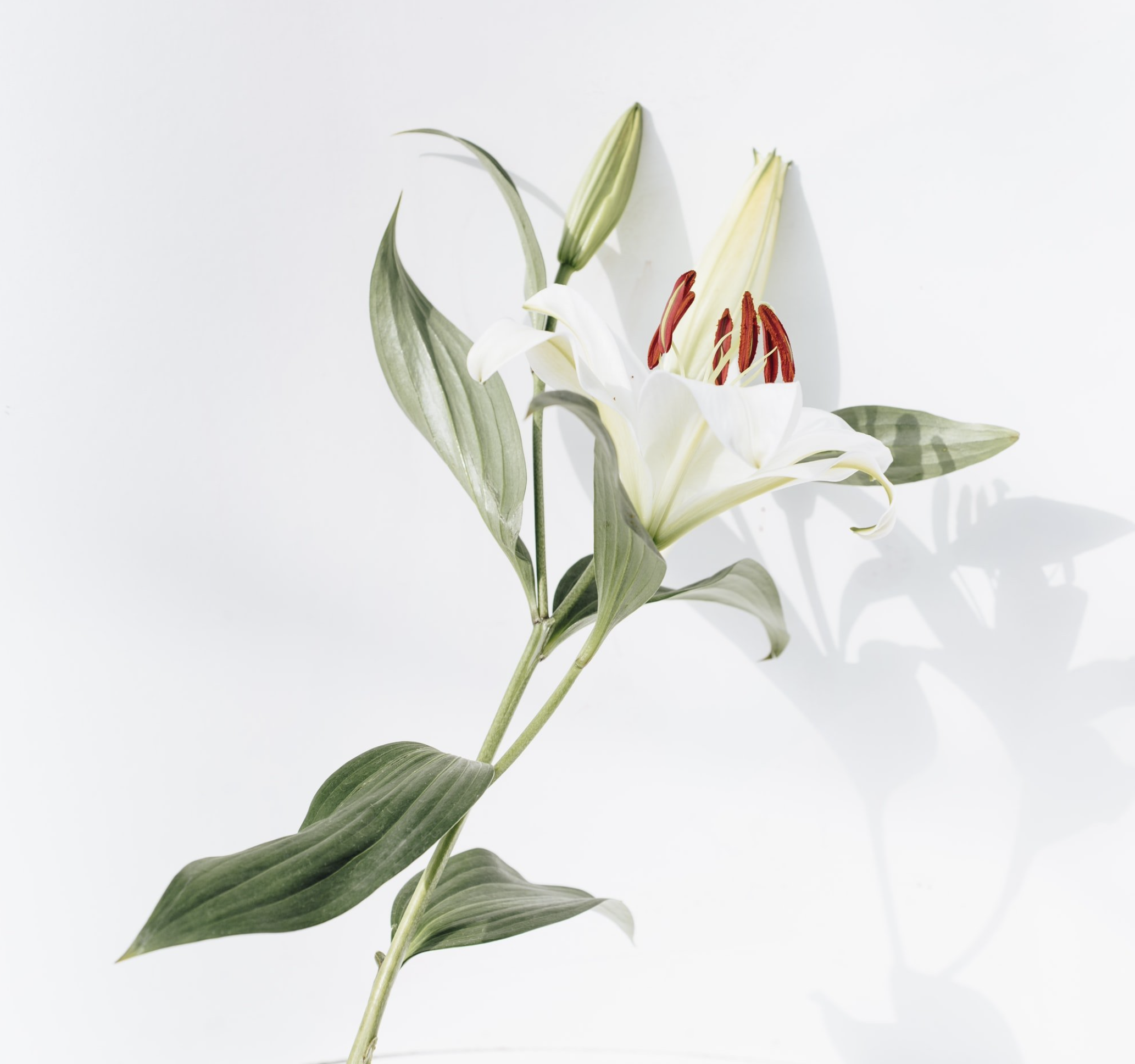
5 Bulbs per order
How To Grow:
1. Prepare the soil by adding compost or manure.
2. Place the bulb in a hole that is 3 times deeper than the size of the bulb.
3. Water thoroughly and regularly allowing the soil to dry between watering.
4. Keep weed-free.
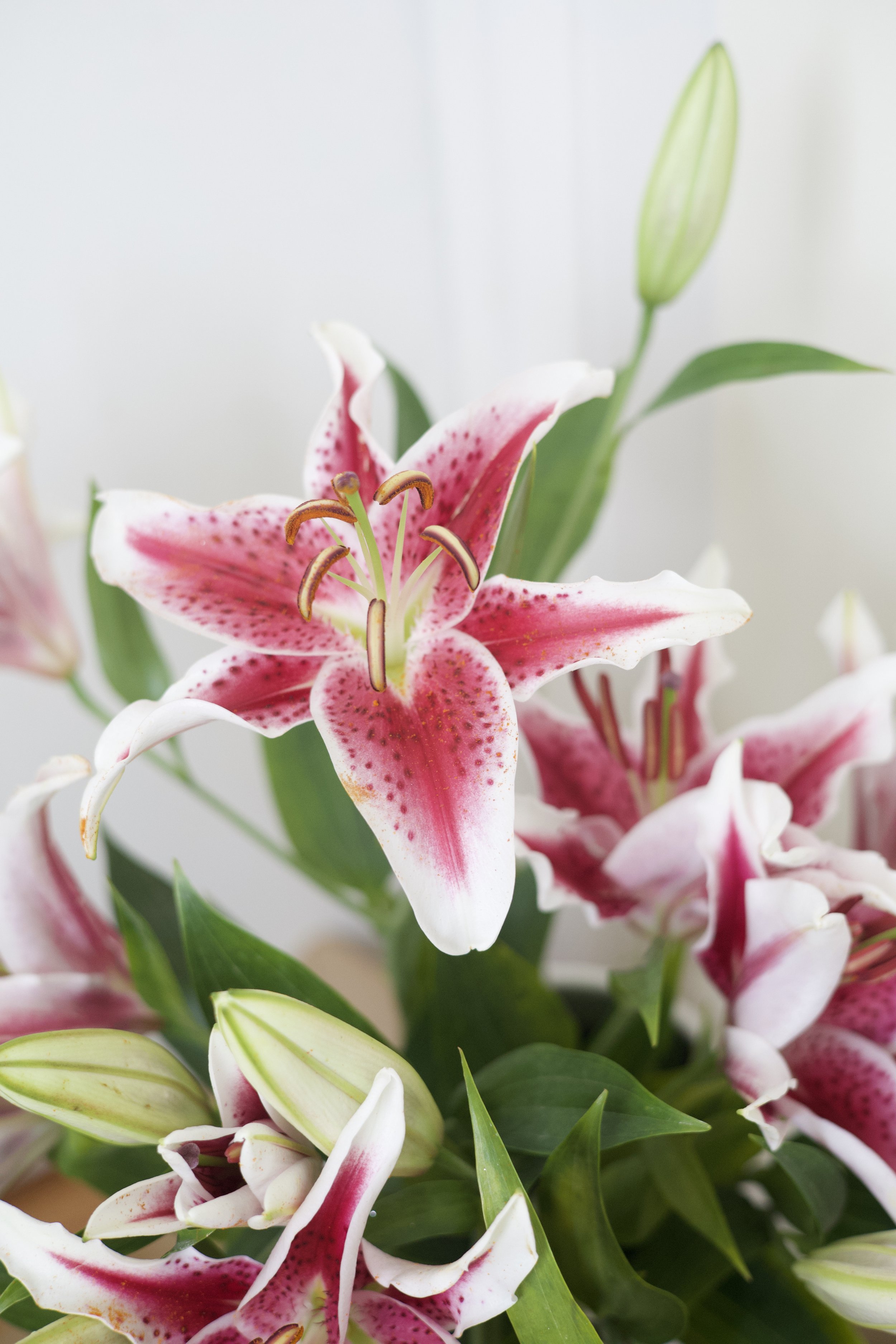
5 Bulbs per order
How To Grow:
1. Prepare the soil by adding compost or manure.
2. Place the bulb in a hole that is 3 times deeper than the size of the bulb.
3. Water thoroughly and regularly allowing the soil to dry between watering.
4. Keep weed-free.
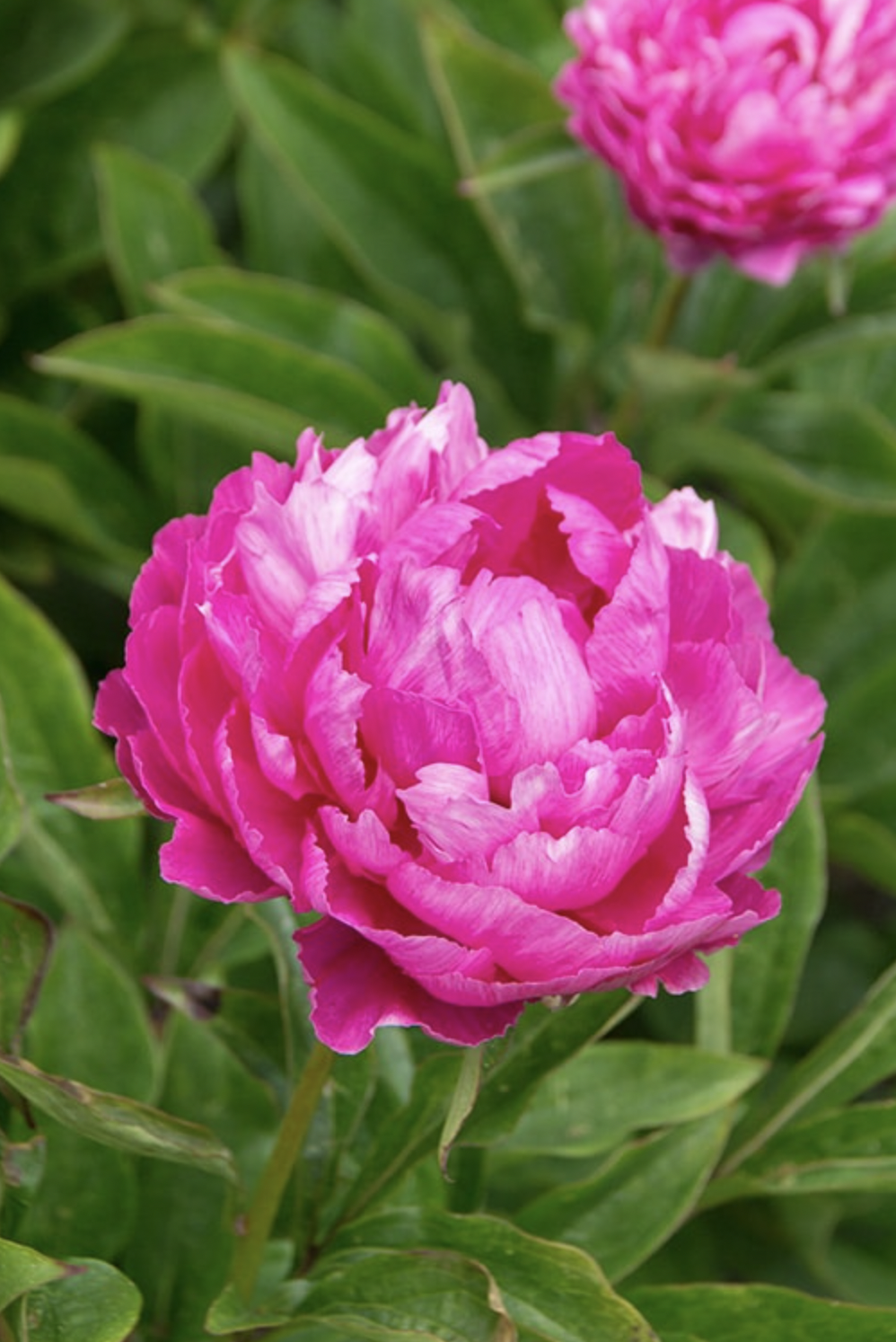
Price is for 1 Root
Peony Planting and Care Guide
Plant your peony roots when the soil can be worked and isn’t frozen, or heavily saturated. If you can’t plant your peonies right away then keep them inside the plastic bag for up to 4 weeks at 40F. Make sure the roots feel slightly damp throughout storage, mist if necessary since dry roots can lead to plant death. Plant your peonies as soon as possible for optimal success.
Container Started Peonies: Select a container with drainage holes that is at least 18” deep and 12” wide. Select a porous potting mix without fertilizer. Bury the root so the eyes (buds) are at 1” depth for zones 7-8, and 2” depth for zones 2-6. Water peonies in and store them at temperatures of 40-55F until buds begin to emerge and move them to a location receiving 6-8 hours of direct, unfiltered sunlight or 12-14 hours of artificial light. Water only when the soil begins to dry out. Fertilize sparingly after the buds have appeared. Once roots have filled container transplant into your garden at least 6-8 weeks before the first frost date.
Site: Select a location that has a minimum of 6-8 hours of direct sunlight each day. Spacing your plants 3-4’ apart will allow adequate air circulation preventing disease and will limit competition between neighboring plants. Choose your site with care since plant growth can be set back with transplanting or damage to their roots.
Soil Preparation: Peonies prefer a pH of 6-7, and well draining soil. Only add soil amendments if the soil is heavy clay or lacking in key nutrients which can be determined through the use of a soil test. Be careful not to over fertilize which can damage the young plant. Dig a hole large enough to accomodate the size and width of the roots. Then use a shovel to loosen the soil at the bottom of the hole to remove any rocks and allow the roots to spread. If any amendments are needed, dig a foot deeper into the hole and incorporate into the loose soil before planting the roots. Planting in the native soil is typically the best method to encourage growth of the young plants.
Plant Preparation: Soak peony roots in lukewarm water for 30 minutes before planting. Remove any damaged or rotting tubers.
Plant Burial: Planting at the right depth is essential for flower formation. The red buds on the roots should be facing upwards and be about 1” below the soil surface in zones 7-8 and 2” below the soil surface in zones 2-6. Deeper plantings will result in rotting buds and poor flower formation. After backfilling with soil press the soil down firmly and water in your newly planted peony tubers to ensure there are no air pockets.
Watering: Peonies require 1-2” of water a week but this need may vary depending on rainfall, time of year, and growth of the plant. Avoid watering late in the evening or splashing on the leaves which can result in disease.
Fertilizing: Begin fertilizing in the second year of growth and select a ratio of 3-5-5 or 5-10-10 which will be specified on the fertilizer label. Apply in two parts, half when buds emerge from the soil and the second half when flowering has finished.
Diseases and Pests: Peonies are prone to fungal diseases, including blight, which can rot the base of the stems, and powdery mildew, which coats the leaves in white. Fungicide may be required to lessen issues and products should be selected that can specifically be used for peonies and the disease problem. Always follow the directions on product labels and don’t spray if the plant is drought stressed or the temperature exceeds 80F which can damage the plant.
Pruning: Do not cut the stems of your peonies for cut flowers the first 3 years they are growing. Leaving the stems and leaves will encourage the plant to produce roots and more flowers in the future. In the fall, after the leaves and stems have died back, prune the stems 2-5 inches from the ground and remove from the site to prevent the spread of disease.
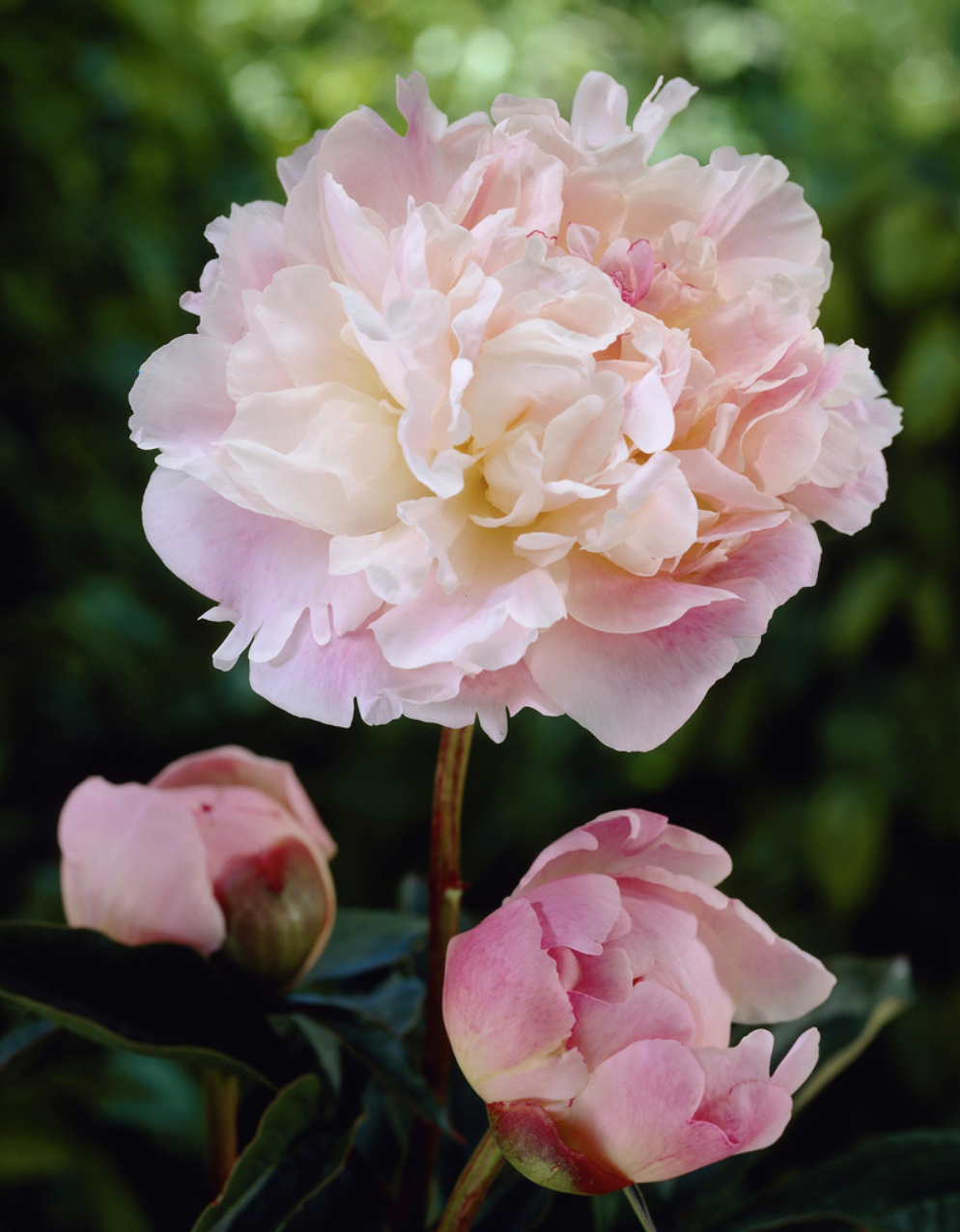
Price is for 1 root
Peony Planting and Care Guide
Plant your peony roots when the soil can be worked and isn’t frozen, or heavily saturated. If you can’t plant your peonies right away then keep them inside the plastic bag for up to 4 weeks at 40F. Make sure the roots feel slightly damp throughout storage, mist if necessary since dry roots can lead to plant death. Plant your peonies as soon as possible for optimal success.
Container Started Peonies: Select a container with drainage holes that is at least 18” deep and 12” wide. Select a porous potting mix without fertilizer. Bury the root so the eyes (buds) are at 1” depth for zones 7-8, and 2” depth for zones 2-6. Water peonies in and store them at temperatures of 40-55F until buds begin to emerge and move them to a location receiving 6-8 hours of direct, unfiltered sunlight or 12-14 hours of artificial light. Water only when the soil begins to dry out. Fertilize sparingly after the buds have appeared. Once roots have filled container transplant into your garden at least 6-8 weeks before the first frost date.
Site: Select a location that has a minimum of 6-8 hours of direct sunlight each day. Spacing your plants 3-4’ apart will allow adequate air circulation preventing disease and will limit competition between neighboring plants. Choose your site with care since plant growth can be set back with transplanting or damage to their roots.
Soil Preparation: Peonies prefer a pH of 6-7, and well draining soil. Only add soil amendments if the soil is heavy clay or lacking in key nutrients which can be determined through the use of a soil test. Be careful not to over fertilize which can damage the young plant. Dig a hole large enough to accomodate the size and width of the roots. Then use a shovel to loosen the soil at the bottom of the hole to remove any rocks and allow the roots to spread. If any amendments are needed, dig a foot deeper into the hole and incorporate into the loose soil before planting the roots. Planting in the native soil is typically the best method to encourage growth of the young plants.
Plant Preparation: Soak peony roots in lukewarm water for 30 minutes before planting. Remove any damaged or rotting tubers.
Plant Burial: Planting at the right depth is essential for flower formation. The red buds on the roots should be facing upwards and be about 1” below the soil surface in zones 7-8 and 2” below the soil surface in zones 2-6. Deeper plantings will result in rotting buds and poor flower formation. After backfilling with soil press the soil down firmly and water in your newly planted peony tubers to ensure there are no air pockets.
Watering: Peonies require 1-2” of water a week but this need may vary depending on rainfall, time of year, and growth of the plant. Avoid watering late in the evening or splashing on the leaves which can result in disease.
Fertilizing: Begin fertilizing in the second year of growth and select a ratio of 3-5-5 or 5-10-10 which will be specified on the fertilizer label. Apply in two parts, half when buds emerge from the soil and the second half when flowering has finished.
Diseases and Pests: Peonies are prone to fungal diseases, including blight, which can rot the base of the stems, and powdery mildew, which coats the leaves in white. Fungicide may be required to lessen issues and products should be selected that can specifically be used for peonies and the disease problem. Always follow the directions on product labels and don’t spray if the plant is drought stressed or the temperature exceeds 80F which can damage the plant.
Pruning: Do not cut the stems of your peonies for cut flowers the first 3 years they are growing. Leaving the stems and leaves will encourage the plant to produce roots and more flowers in the future. In the fall, after the leaves and stems have died back, prune the stems 2-5 inches from the ground and remove from the site to prevent the spread of disease.
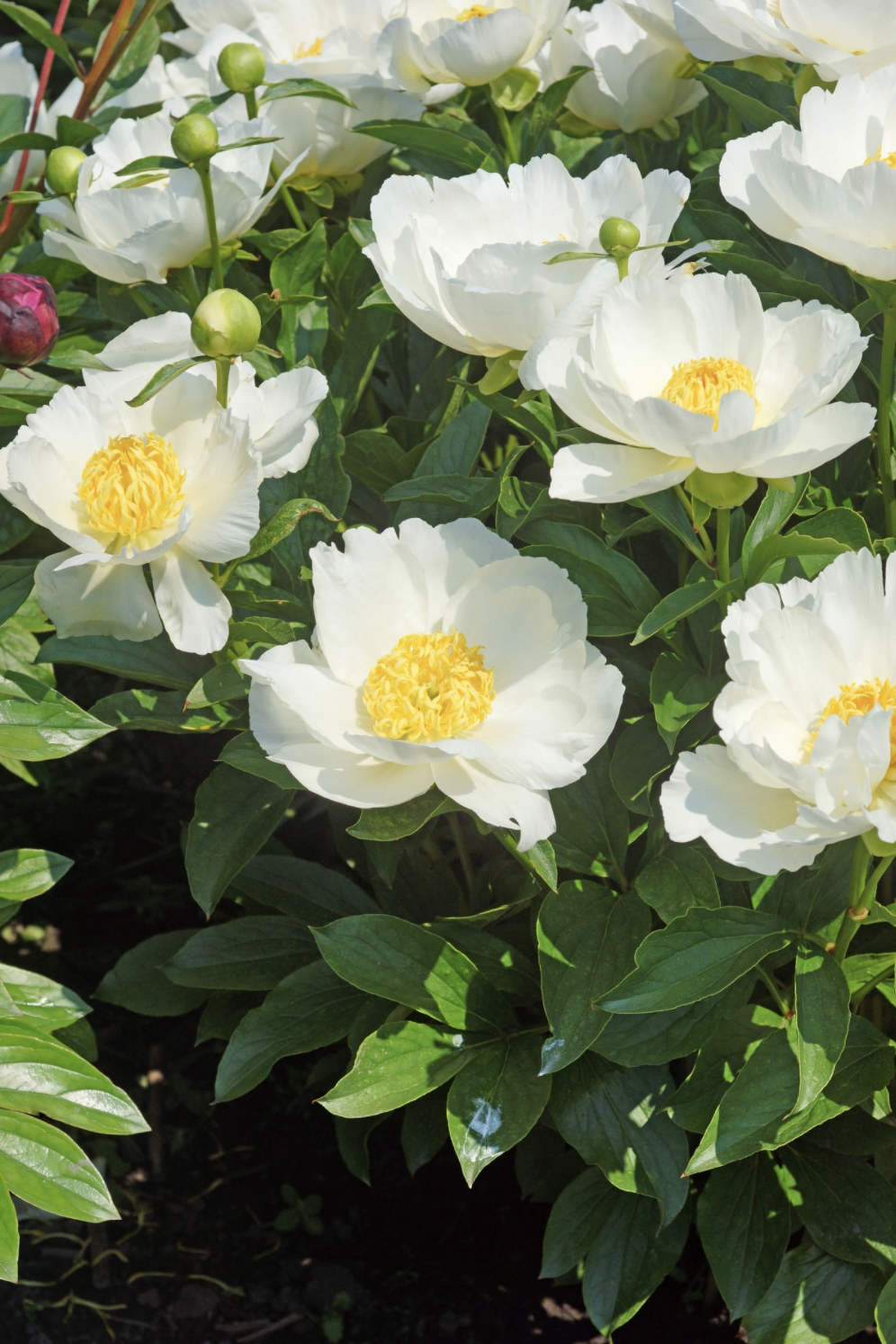
Price is for 1 root
Peony Planting and Care Guide
Plant your peony roots when the soil can be worked and isn’t frozen, or heavily saturated. If you can’t plant your peonies right away then keep them inside the plastic bag for up to 4 weeks at 40F. Make sure the roots feel slightly damp throughout storage, mist if necessary since dry roots can lead to plant death. Plant your peonies as soon as possible for optimal success.
Container Started Peonies: Select a container with drainage holes that is at least 18” deep and 12” wide. Select a porous potting mix without fertilizer. Bury the root so the eyes (buds) are at 1” depth for zones 7-8, and 2” depth for zones 2-6. Water peonies in and store them at temperatures of 40-55F until buds begin to emerge and move them to a location receiving 6-8 hours of direct, unfiltered sunlight or 12-14 hours of artificial light. Water only when the soil begins to dry out. Fertilize sparingly after the buds have appeared. Once roots have filled container transplant into your garden at least 6-8 weeks before the first frost date.
Site: Select a location that has a minimum of 6-8 hours of direct sunlight each day. Spacing your plants 3-4’ apart will allow adequate air circulation preventing disease and will limit competition between neighboring plants. Choose your site with care since plant growth can be set back with transplanting or damage to their roots.
Soil Preparation: Peonies prefer a pH of 6-7, and well draining soil. Only add soil amendments if the soil is heavy clay or lacking in key nutrients which can be determined through the use of a soil test. Be careful not to over fertilize which can damage the young plant. Dig a hole large enough to accomodate the size and width of the roots. Then use a shovel to loosen the soil at the bottom of the hole to remove any rocks and allow the roots to spread. If any amendments are needed, dig a foot deeper into the hole and incorporate into the loose soil before planting the roots. Planting in the native soil is typically the best method to encourage growth of the young plants.
Plant Preparation: Soak peony roots in lukewarm water for 30 minutes before planting. Remove any damaged or rotting tubers.
Plant Burial: Planting at the right depth is essential for flower formation. The red buds on the roots should be facing upwards and be about 1” below the soil surface in zones 7-8 and 2” below the soil surface in zones 2-6. Deeper plantings will result in rotting buds and poor flower formation. After backfilling with soil press the soil down firmly and water in your newly planted peony tubers to ensure there are no air pockets.
Watering: Peonies require 1-2” of water a week but this need may vary depending on rainfall, time of year, and growth of the plant. Avoid watering late in the evening or splashing on the leaves which can result in disease.
Fertilizing: Begin fertilizing in the second year of growth and select a ratio of 3-5-5 or 5-10-10 which will be specified on the fertilizer label. Apply in two parts, half when buds emerge from the soil and the second half when flowering has finished.
Diseases and Pests: Peonies are prone to fungal diseases, including blight, which can rot the base of the stems, and powdery mildew, which coats the leaves in white. Fungicide may be required to lessen issues and products should be selected that can specifically be used for peonies and the disease problem. Always follow the directions on product labels and don’t spray if the plant is drought stressed or the temperature exceeds 80F which can damage the plant.
Pruning: Do not cut the stems of your peonies for cut flowers the first 3 years they are growing. Leaving the stems and leaves will encourage the plant to produce roots and more flowers in the future. In the fall, after the leaves and stems have died back, prune the stems 2-5 inches from the ground and remove from the site to prevent the spread of disease.
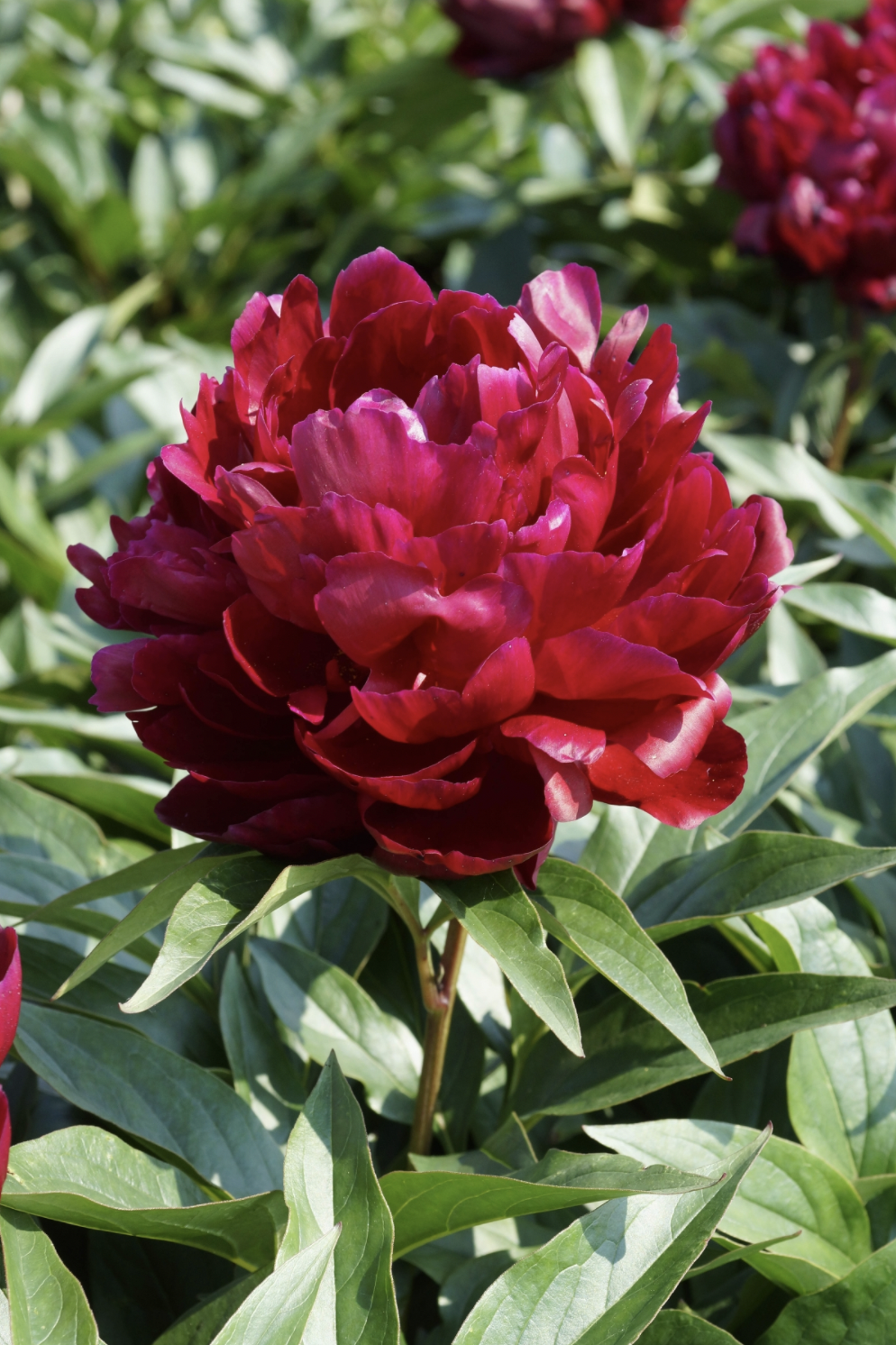
Dark maroon red soft fragrant flowers floriferous variety. Excellent for border and cutflower
Peony Planting and Care Guide
Plant your peony roots when the soil can be worked and isn’t frozen, or heavily saturated. If you can’t plant your peonies right away then keep them inside the plastic bag for up to 4 weeks at 40F. Make sure the roots feel slightly damp throughout storage, mist if necessary since dry roots can lead to plant death. Plant your peonies as soon as possible for optimal success.
Container Started Peonies: Select a container with drainage holes that is at least 18” deep and 12” wide. Select a porous potting mix without fertilizer. Bury the root so the eyes (buds) are at 1” depth for zones 7-8, and 2” depth for zones 2-6. Water peonies in and store them at temperatures of 40-55F until buds begin to emerge and move them to a location receiving 6-8 hours of direct, unfiltered sunlight or 12-14 hours of artificial light. Water only when the soil begins to dry out. Fertilize sparingly after the buds have appeared. Once roots have filled container transplant into your garden at least 6-8 weeks before the first frost date.
Site: Select a location that has a minimum of 6-8 hours of direct sunlight each day. Spacing your plants 3-4’ apart will allow adequate air circulation preventing disease and will limit competition between neighboring plants. Choose your site with care since plant growth can be set back with transplanting or damage to their roots.
Soil Preparation: Peonies prefer a pH of 6-7, and well draining soil. Only add soil amendments if the soil is heavy clay or lacking in key nutrients which can be determined through the use of a soil test. Be careful not to over fertilize which can damage the young plant. Dig a hole large enough to accomodate the size and width of the roots. Then use a shovel to loosen the soil at the bottom of the hole to remove any rocks and allow the roots to spread. If any amendments are needed, dig a foot deeper into the hole and incorporate into the loose soil before planting the roots. Planting in the native soil is typically the best method to encourage growth of the young plants.
Plant Preparation: Soak peony roots in lukewarm water for 30 minutes before planting. Remove any damaged or rotting tubers.
Plant Burial: Planting at the right depth is essential for flower formation. The red buds on the roots should be facing upwards and be about 1” below the soil surface in zones 7-8 and 2” below the soil surface in zones 2-6. Deeper plantings will result in rotting buds and poor flower formation. After backfilling with soil press the soil down firmly and water in your newly planted peony tubers to ensure there are no air pockets.
Watering: Peonies require 1-2” of water a week but this need may vary depending on rainfall, time of year, and growth of the plant. Avoid watering late in the evening or splashing on the leaves which can result in disease.
Fertilizing: Begin fertilizing in the second year of growth and select a ratio of 3-5-5 or 5-10-10 which will be specified on the fertilizer label. Apply in two parts, half when buds emerge from the soil and the second half when flowering has finished.
Diseases and Pests: Peonies are prone to fungal diseases, including blight, which can rot the base of the stems, and powdery mildew, which coats the leaves in white. Fungicide may be required to lessen issues and products should be selected that can specifically be used for peonies and the disease problem. Always follow the directions on product labels and don’t spray if the plant is drought stressed or the temperature exceeds 80F which can damage the plant.
Pruning: Do not cut the stems of your peonies for cut flowers the first 3 years they are growing. Leaving the stems and leaves will encourage the plant to produce roots and more flowers in the future. In the fall, after the leaves and stems have died back, prune the stems 2-5 inches from the ground and remove from the site to prevent the spread of disease.
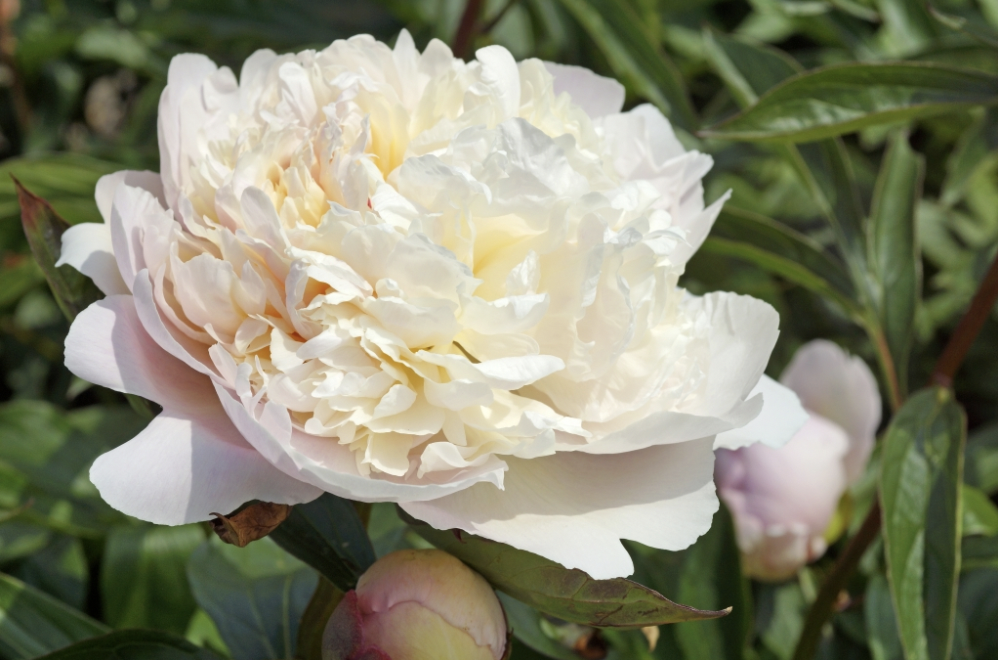
1 Tuber.
Tubers ship in March/April
Bloom Time: Late Spring to Early Summer
Light: Sun to Part Shade
Height: 30-32 Inches
Spacing: 24-36 Inches
Zones: 3-8
Perennial
Do not plant tubers too deep. Keep in mind that peony shrubs take 2-3 years to establish and will not bloom the first year. Highly fragrant and beautiful, they are worth the wait. If using for cutting, harvest before buds open, when they’re soft like a marshmallow. They will open in the vase. Cut foliage to the ground every fall.
Photo by @kaijamarita
Peonies do best when planted in fall and they will only grow if temps get below 40F in the winter so zones 8 may be possible but consider this our caution statement for people ordering above that zone.
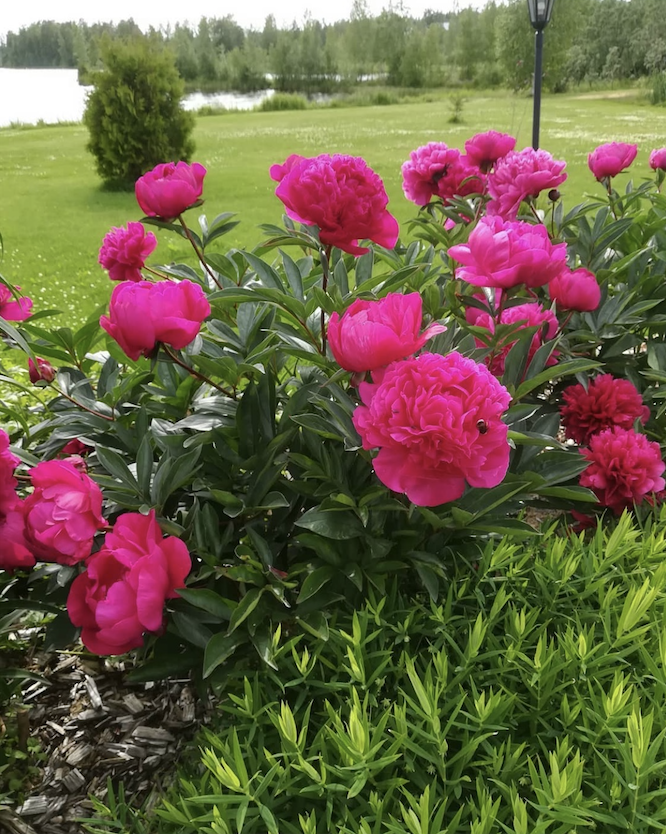
1 Root per order
Bloom Time: Late spring and early summer
Light: Sun to Part Shade
Height: 28-32 Inches
Space: 28-32 Inches
Zones: 4-8
Perennial
Photo by @gardenbyj and @anne.tuomaala
Peonies do best when planted in fall and they will only grow if temps get below 40F in the winter so zones 8 may be possible but consider this our caution statement for people ordering above that zone.
Peony Planting and Care Guide
Plant your peony roots when the soil can be worked and isn’t frozen, or heavily saturated. If you can’t plant your peonies right away then keep them inside the plastic bag for up to 4 weeks at 40F. Make sure the roots feel slightly damp throughout storage, mist if necessary since dry roots can lead to plant death. Plant your peonies as soon as possible for optimal success.
Container Started Peonies: Select a container with drainage holes that is at least 18” deep and 12” wide. Select a porous potting mix without fertilizer. Bury the root so the eyes (buds) are at 1” depth for zones 7-8, and 2” depth for zones 2-6. Water peonies in and store them at temperatures of 40-55F until buds begin to emerge and move them to a location receiving 6-8 hours of direct, unfiltered sunlight or 12-14 hours of artificial light. Water only when the soil begins to dry out. Fertilize sparingly after the buds have appeared. Once roots have filled container transplant into your garden at least 6-8 weeks before the first frost date.
Site: Select a location that has a minimum of 6-8 hours of direct sunlight each day. Spacing your plants 3-4’ apart will allow adequate air circulation preventing disease and will limit competition between neighboring plants. Choose your site with care since plant growth can be set back with transplanting or damage to their roots.
Soil Preparation: Peonies prefer a pH of 6-7, and well draining soil. Only add soil amendments if the soil is heavy clay or lacking in key nutrients which can be determined through the use of a soil test. Be careful not to over fertilize which can damage the young plant. Dig a hole large enough to accomodate the size and width of the roots. Then use a shovel to loosen the soil at the bottom of the hole to remove any rocks and allow the roots to spread. If any amendments are needed, dig a foot deeper into the hole and incorporate into the loose soil before planting the roots. Planting in the native soil is typically the best method to encourage growth of the young plants.
Plant Preparation: Soak peony roots in lukewarm water for 30 minutes before planting. Remove any damaged or rotting tubers.
Plant Burial: Planting at the right depth is essential for flower formation. The red buds on the roots should be facing upwards and be about 1” below the soil surface in zones 7-8 and 2” below the soil surface in zones 2-6. Deeper plantings will result in rotting buds and poor flower formation. After backfilling with soil press the soil down firmly and water in your newly planted peony tubers to ensure there are no air pockets.
Watering: Peonies require 1-2” of water a week but this need may vary depending on rainfall, time of year, and growth of the plant. Avoid watering late in the evening or splashing on the leaves which can result in disease.
Fertilizing: Begin fertilizing in the second year of growth and select a ratio of 3-5-5 or 5-10-10 which will be specified on the fertilizer label. Apply in two parts, half when buds emerge from the soil and the second half when flowering has finished.
Diseases and Pests: Peonies are prone to fungal diseases, including blight, which can rot the base of the stems, and powdery mildew, which coats the leaves in white. Fungicide may be required to lessen issues and products should be selected that can specifically be used for peonies and the disease problem. Always follow the directions on product labels and don’t spray if the plant is drought stressed or the temperature exceeds 80F which can damage the plant.
Pruning: Do not cut the stems of your peonies for cut flowers the first 3 years they are growing. Leaving the stems and leaves will encourage the plant to produce roots and more flowers in the future. In the fall, after the leaves and stems have died back, prune the stems 2-5 inches from the ground and remove from the site to prevent the spread of disease.
10
Bulbs per Order
This mix includes a medley of all of our gladiolus colors.
Light Conditions: Sun
Days to Bloom: 65 - 70
Height: 45" – 60"
Hardiness Zone: 8 - 10