
Cosmos bipinnatus
With varying shades of pink and scarlet, you won’t want to miss out on planting these blooms. They’ll add just the right touch of cheerfulness to your garden and arrangements blooming summer through fall. Their fine texture leaves and 2-4” blossoms add texture and interest. Cosmos are drought tolerant and attract pollinators of all kinds making them a great companion plant in your vegetable garden.
Seed Count: approximately 50 seeds
Plant Height: 36-48”
Light Requirements: full sun
Soil Preference: average fertility and moderate water conditions
USDA Zones: 2-11 (annual)
How to Grow
Germination: 7-10 days at 68-80F
Seeding Depth: 1/8-1/4” depth, light required for germination
Plant Spacing: 12”
Days to Maturity: 75-90 days
Early-Season Seeding: Start seed indoors 4-5 weeks before the last frost date, transplant after the danger of frost has passed. Direct seed outdoors after the last frost date or when soil temperature is above 60F.
Late-Season Seeding: Start seed indoors or direct seed outdoors at least 13 weeks before the first frost date.
Growing Tips: Trellis may be required to support thin stems in windy conditions. Cut spent blooms to encourage more flowering or allow them to go to seed and self sow. These prefer less frequent fertilization as too much nitrogen can promote foliage but limit flower growth.
Cut Flower: Pinch the growing point when the plant is 1’ tall to promote multi-stem growth. Harvest when flower buds are starting to open but before pollination occurs to ensure a longer vase life. Single flowers bloom 4-6 days when using flower food. The bloom period can be extended by harvesting stems with several buds at differing maturities to stagger blooming times.
Photo by @nellarosefarms
Warm Season

Gomphrena globosa
These unique deep-magenta blooms have a pompom appearance similar to a clover flower. Gomphrena is heat tolerant, making it ideal for late-summer blooming and flowering in warmer climates. This bright annual flower will add color when planted in mass within your garden beds. They can also be planted in containers, attracting a variety of pollinators. Gomphrena makes an excellent flower for fresh or dried arrangements with a long vase-life and excellent color retention.
Seed Count: approximately 50 seeds
Plant Height: 18-30”
Light Requir-ements: full sun
Soil Preference: well-draining soil
USDA Zones: 3-11 (annual)
How to Grow
Germination: 5-14 days at 70-80F
Seeding Depth: 1/8” depth
Plant Spacing: 6-9”
Days to Maturity: 85-110 days
Early-Season Seeding: Start seed indoors 4-6 weeks before the last frost date, transplant after the danger of frost has passed. Direct seeding outdoors is not recommended but can be done after the last frost date or when soil temperature is above 70F.
Late-Season Seeding: Start indoors and transplant outdoors at least 16 weeks before the first frost in fall.
Growing Tips: Plants do not require pinching to be multi-branched. Remove spent flowers before they go to seed to encourage more flowering.
Cut Flower: Harvest when flowers begin to have color but are not fully open and expect a vase-life of 10-14 days with flower food. For drying, harvest when flowers are fully open and hang upside down for about 3 weeks in a cool, dry place.
Photo by @theperfectpick

Gomphrena globosa
These unique rosy-pink blooms have a pompom appearance similar to a clover flower. Gomphrena is heat tolerant, making it ideal for late-summer blooming and flowering in warmer climates. This bright annual flower will add color when planted in mass within your garden beds. They can also be planted in containers, attracting a variety of pollinators. Gomphrena makes an excellent flower for fresh or dried arrangements with a long vase-life and excellent color retention.
Seed Count: approximately 50 seeds
Plant Height: 18-30”
Light Requir-ements: full sun
Soil Preference: well-draining soil
USDA Zones: 3-11 (annual)
How to Grow
Germination: 5-14 days at 70-80F
Seeding Depth: 1/8” depth
Plant Spacing: 6-9”
Days to Maturity: 85-110 days
Early-Season Seeding: Start seed indoors 4-6 weeks before the last frost date, transplant after the danger of frost has passed. Direct seeding outdoors is not recommended but can be done after the last frost date or when soil temperature is above 70F.
Late-Season Seeding: Start indoors and transplant outdoors at least 16 weeks before the first frost in fall.
Growing Tips: Plants do not require pinching to be multi-branched. Remove spent flowers before they go to seed to encourage more flowering.
Cut Flower: Harvest when flowers begin to have color but are not fully open and expect a vase-life of 10-14 days with flower food. For drying, harvest when flowers are fully open and hang upside down for about 3 weeks in a cool, dry place.
Warm Season

Lupinus polyphyllus
Heirloom lupine seeds come in a range of colors including cream, pink, purple, and blue. Masses of petals bloom on tall spikes begin to bloom in June and the blooms last for no more than 3 weeks. Stiff stems add height to gardens or floral arrangements. Flowers attract a variety of pollinators, and readily reseed.
Seed Count: approximately 25 seeds
Plant Height: 12-24”
Light Requirements: full sun, partial shade
Soil Preference: rich, moist, well-draining soil
USDA Zones: 3-9 (perennial)
How to Grow
Germination: 14-21 days at 65-75F
Seeding Depth: 1/4” depth, darkness aids germination, scarify and soak seeds
Plant Spacing: 12-14”
Days to Maturity: 365 days
Early-Season Seeding: Starting seeds indoors 4-8 weeks before planting out. Plant outdoors after the danger of frost has passed. Direct seed in early-spring as soon as soil can be worked.
Late-Season Seeding: Direct seed in early fall.
Growing Tips: The seed must be scarified (scratched) and then soaked for 24 hours to enhance germination. Do not wait to transplant as roots do not tolerate being transplanted. Plants can develop powdery mildew in late summer after blooming and can be trimmed back. Remove flowers after blooming to prevent re-seeding.
Cut Flower: Harvest when 80% of the florets on a stem are open. Allowing flowers to be open for too long and pollinated by bees will cause a shorter vase-life.
Photo by @shroom_momma

Viola x wittrockiana
Mix of bi-color blooms including orange, red, violet, golden-yellow. These pansies are cold tolerant blooming in early spring and late fall beyond frosts. Flowers are edible adding color to salads and desserts.
Seed Count: approximately 25 seeds
Plant Height: 6-8”
Light Requirements: full sun, part sun
Soil Preference: moist, well-draining soil
USDA Zones: 3-4 (annual), 5-9 (biennial)
How to Grow
Germination: 4-7 days at 60-70F
Seeding Depth: 1/8” depth, darkness is required for germination
Plant Spacing: 6”
Days to Maturity: 80-90 days
Early-Season Seeding: Start seeds indoors 8-12 weeks before the last spring frost date and transplant 2 weeks before the last spring frost. Direct seed after the danger of frost has passed.
Late-Season Seeding: Start seed indoors or direct seed outdoors at least 12 weeks before the first frost date. Direct seed outdoors in zones 5 and warmer in late-fall.
Growing Tips: Plants are cold tolerant and can be seeded or transplanted outdoors before the danger of spring frost has passed. Seeds are sown shallowly but require to be covered since darkness is needed for germination.
Cut Flower: Harvest when flowers are open and expect a vase-life of 5-7 days with flower food.
Photo by @junho355

Scabiosa atropurpurea
Pale-green buds open up to bright white petals that look beautiful floating on their tall stems. The white stamen contrast against the green center looking much like needles in a pincushion. The flowers are on tall, wiry stems blooming summer through fall, attracting pollinators and adding color to your garden. Flowers will develop into seed heads that have an interesting texture. The colored buds, flowers, and seed heads can all be used in your floral arrangements.
Seed Count: approximately 100 seeds
Plant Height: 24-36”
Light Requirements: full sun
Soil Preference: rich, well-draining soil, pH 6-8
USDA Zones: 3-5 (annual), 6-9 (perennial)
How to Grow
Germination: 10-14 days at 60F
Seeding Depth: 1/16-1/8 depth
Plant Spacing: 8-16”
Days to Maturity: 90-100 days
Early-Season Seeding: Starting seed inside is recommended since plants struggle with direct seeding. Start seeds 4-6 weeks before your last frost and transplant after the danger of frost has passed. Direct seed after the danger of frost has passed in zones 3-7.
Late-Season Seeding: Start seed indoors 16 weeks before your first fall frost date in zones 3-9.
Growing Tips: Removing spent flowers will encourage more blooming but the seed heads are also attractive when left. Scabiosa is susceptible to powdery mildew and requires a foot of space to provide enough air flow between plants. Trellis may be required for support if using stems as a cut flower.
Cut Flower: Harvest when buds have changed color, are half open, or when the seed head has turned light-green. Stems will last 7-10 days in a vase if given preservative.

Antirrhinum majus
Unique dark-red double blooms cover tall stems of this snapdragon flower. This plant does well in cool temperatures of spring and fall but will bloom throughout the summer. Their tall stems add color to containers, gardens, and cut flower arrangements. Flowers attract a variety of pollinators and have a sweet scent.
Seed Count: approximately 100 seeds
Plant Height: 24-36”
Light Requirements: full sun
Soil Preference: average fertility and moist soil, pH 6-7
USDA Zones: 2-11 (annual)
How to Grow
Germination: 7-14 days at 70-75F, light required for germination
Seeding Depth: 1/8” depth
Plant Spacing: 6-9”
Days to Maturity: 100-120 days
Early-Season Seeding: Start seed indoors 6-8 weeks before the last frost date, transplant after the danger of frost has passed. Direct seeding is not recommended but can be done around the last frost date.
Late-Season Seeding: Start seed indoors at least 12 weeks before the first frost date.
Growing Tips: Pinching is not required for this crop and may delay blooming for a few weeks but will produce a bushier plant with more stems. Pinch the top growing point when the plant has at least 6 sets of leaves. Pinched plants require a spacing of at least 9”. Plants require horizontal trellising to support stems for cut flower production. Remove stems after they have bloomed and new stems will grow from the plant base.
Cut Flower: Harvest when the bottom 1/3 of the flowers are open for a vase-life of 7-10 days.
Photo by @nellarosefarms and @farmerandflorist and @wood.violet.farm

Matthiola incana
White double and single blooms, that are exceptional for early-spring and late-fall blooming. Their tall stems add color to containers, gardens, and cut flower arrangements. Flowers attract a variety of pollinators and have a very sweet and spicy scent and are edible with a sweet clove flavor.
Seed Count: 75 Seeds
Plant Height: 24-32”
Light Requirements: full sun
Soil Preference: average fertility and moderate water conditions, pH 6-7
USDA Zones: 2-6 (annual), 7-10 (tender perennial)
How to Grow
Germination: 7-14 days at 60-75F, light required for germination
Seeding Depth: 1/4” depth
Plant Spacing: 6-9”
Days to Maturity: 90-100 days
Early-Season Seeding: Start seed indoors 5-6 weeks before the last frost date, transplant after the danger of frost has passed. Direct seed 3 weeks before the last frost date if moisture can be provided consistently.
Late-Season Seeding: Start seed indoors or direct seed outdoors at least 12 weeks before the first frost date.
Growing Tips: Succession planting is recommended to lengthen the harvest window. Plants will produce double or single flowers, if only double are desired then select plants when the first set of leaves have emerged. If the first two leaves are fused then plants produce single blooms. Unfused leaves typically produce double blooming flowers. It is recommended to harden off transplants before planting them outside. Pinching is not required for this crop and if the flower bud is pinched off they won’t flower.
Cut Flower: Harvest when 3-5 flower buds are open and remove a majority of the leaves for a vase-life of 8-10 days. Water and flower food will need to be replaced every few days for maximum vase-life.
*Buy a Single Packet or a set:
Set of 3: Includes a packet each of White, pink, and apricot stock
Set of 6: Includes 6 colors of stock, including white
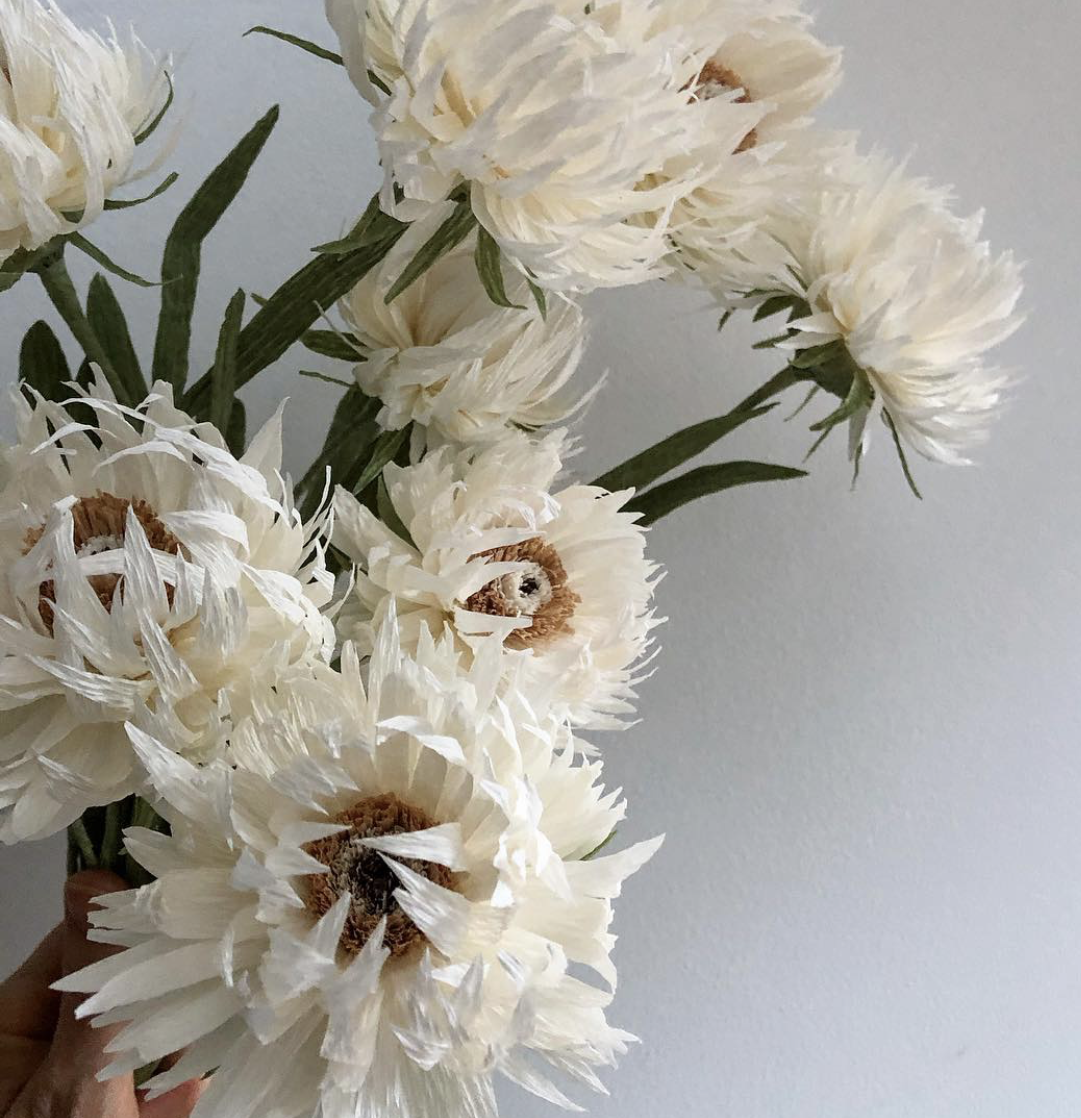
Bracteantha bracteata
Pearly white petals with a shimmery silver cast as they open, blooming summer through fall. Their petal texture adds interest to your garden, fresh and dried floral arrangements summer through fall. Strawflowers will retain their shape and color after being dried and are perfect for arrangements.
Seed Count: approximately 75 seeds
Plant Height: 24-36”
Light Requirements: full sun
Soil Preference: average fertility and moderate water conditions
USDA Zones: 2-10 (annual)
How to Grow
Germination: 7-10 days at 70-75F
Seeding Depth: 1/8” depth or sow on the surface, light required for germination
Plant Spacing: 10-12”
Days to Maturity: 80-90 days
Early-Season Seeding: Start seed indoors 6-8 weeks before the last frost date, transplant after the danger of frost has passed. Direct seed outdoors after the last frost date.
Late-Season Seeding: Start seed indoors or direct seed outdoors at least 11 weeks before the first frost date.
Growing Tips: Grow plants at 60-70F after seeds have germinated. Seeds do better with below tray watering that won’t disturb surface sown seeds.
Cut Flower: Harvest when flower buds are half open to ensure a longer vase life of 7 days. To dry, remove all of the foliage and hang upside down for a few weeks in a dry place.
Photo by @bellapaperflora

Ammobium alatum
These pretty flowers have a yellow center surrounded by pointed white petals. They are excellent for dried floral arrangements holding their shape and color. Plants have stiff, upright stems adding texture to the garden and attracting pollinators throughout the summer.
Plant Height: 18-30”
Light Requirements: full sun
Soil Preference: average fertility and moist soil, pH 5.5-6.5
USDA Zones: 3-8 (annual), 9-10 (perennial)
How to Grow
Germination: 5-10 days at 65-70F, light required for germination
Seeding Depth: 1/4” depth
Plant Spacing: 6-10”
Days to Maturity: 70-80 days
Early-Season Seeding: Starting seed indoors is recommended and should be done 5-6 weeks before the last frost date, transplant after the danger of frost has passed. Direct seed after the last frost date.
Late-Season Seeding: Start seed indoors at least 11 weeks before the first frost date.
Growing Tips: Avoid planting this in damp, heavy soil conditions which can lead to disease problems.
Cut Flower: For fresh and dried arrangements harvest when buds are half-open and the centers are not fully exposed. Hang upside for several weeks in a cool, dark, dry location and flowers will open as they dry.
Photo by Graham Gall @gallpix
Celosia spicata
Beautiful rosy-pink florets that fade to silver-pink after setting seed. Bright green stems and floral spike adds a unique texture to your garden or floral arrangements. Celosia thrives in warm temperatures to provide color summer through early-fall attracting a variety of pollinators.
Seed Count: approximately 100 seeds
Plant Height: 30-40”
Light Requirements: full sun
Soil Preference: well draining soil, keep soil evenly moist, pH 6.5-7.5
USDA Zones: 3-9 (annual), 10-11 (perennial)
How to Grow
Germination: 7-10 days at 68-80F
Seeding Depth: 1/8” depth, lightly cover seed with soil, light required for germination
Plant Spacing: 12-18”
Days to Maturity: 80-120 days
Early-Season Seeding: Start seed indoors 4-6 weeks before the last frost date, transplant after the danger of frost has passed. Direct seed outdoors 2 weeks after the last frost date or when soil temperature is above 65F.
Late-Season Seeding: Start seed indoors or direct seed outdoors at least 16 weeks before the last frost date.
Growing Tips: Pinching out the growing point when the plant is 6-10” tall will promote branching but is not necessary for this variety. Trellis may be required for support. Provide consistent watering to avoid premature flowering. Remove stems that have gone to seed to promote more blooms.
Cut Flower: Pinching plants will result in thinner stems which are more optimal for floral arranging. Harvest before the flower starts setting seed. Vase life up to 14 days with flower food. Can be dried after harvest by removing all of the foliage and hanging upside down in a dark, dry place for up to 3 weeks.
Warm Season